Speaking, teaching, advocating — because communities grow when practitioners share.
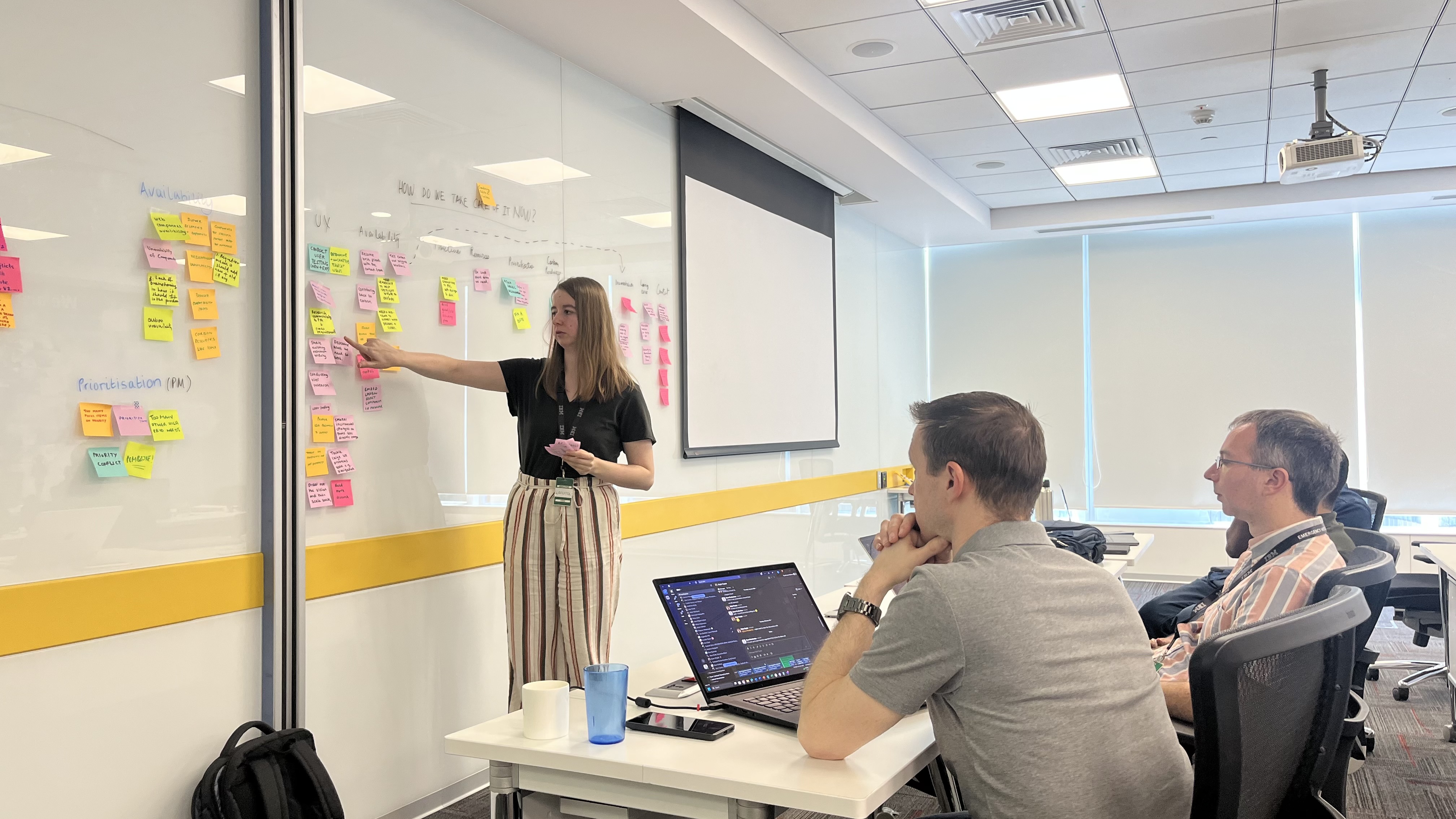
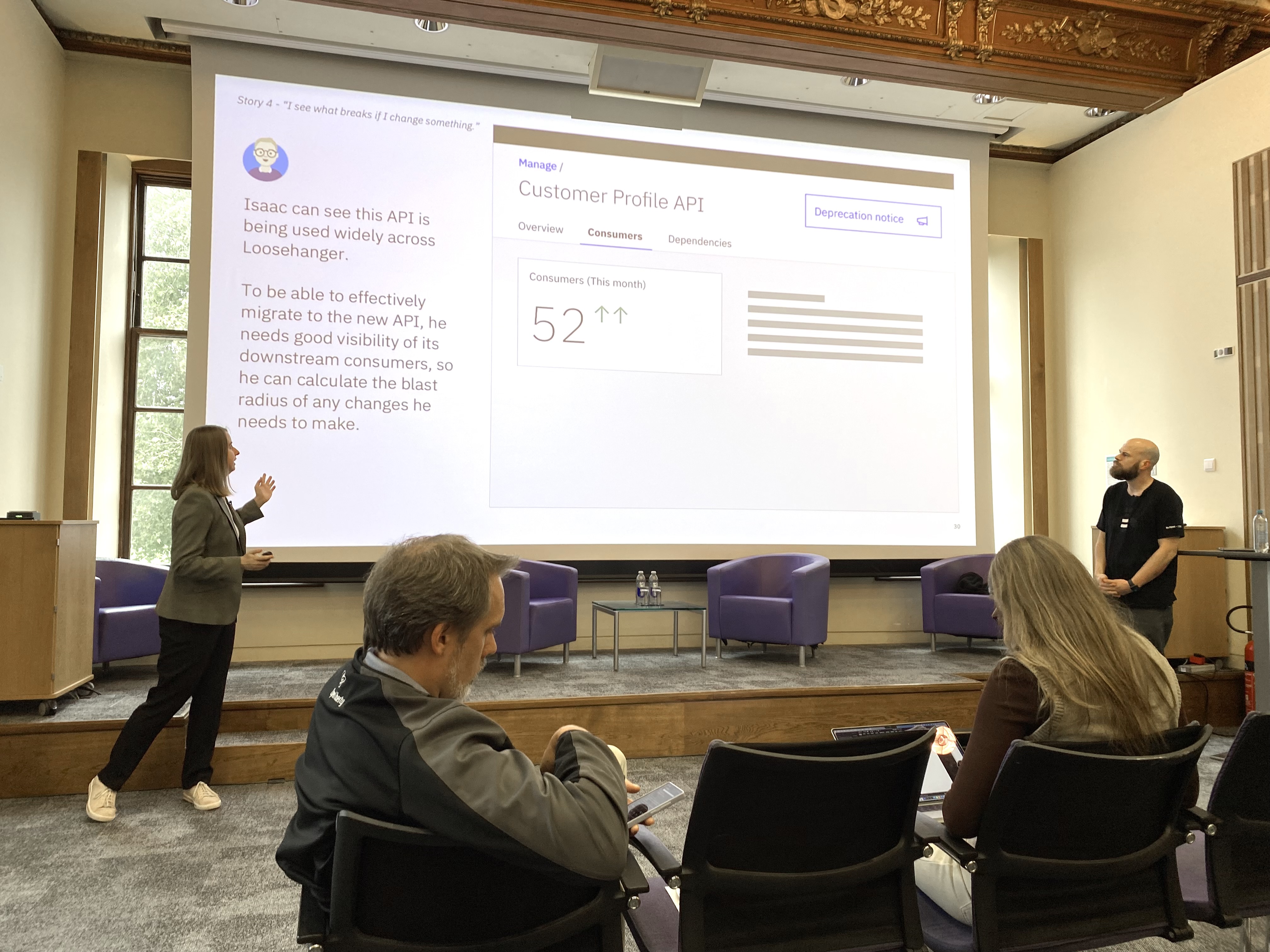
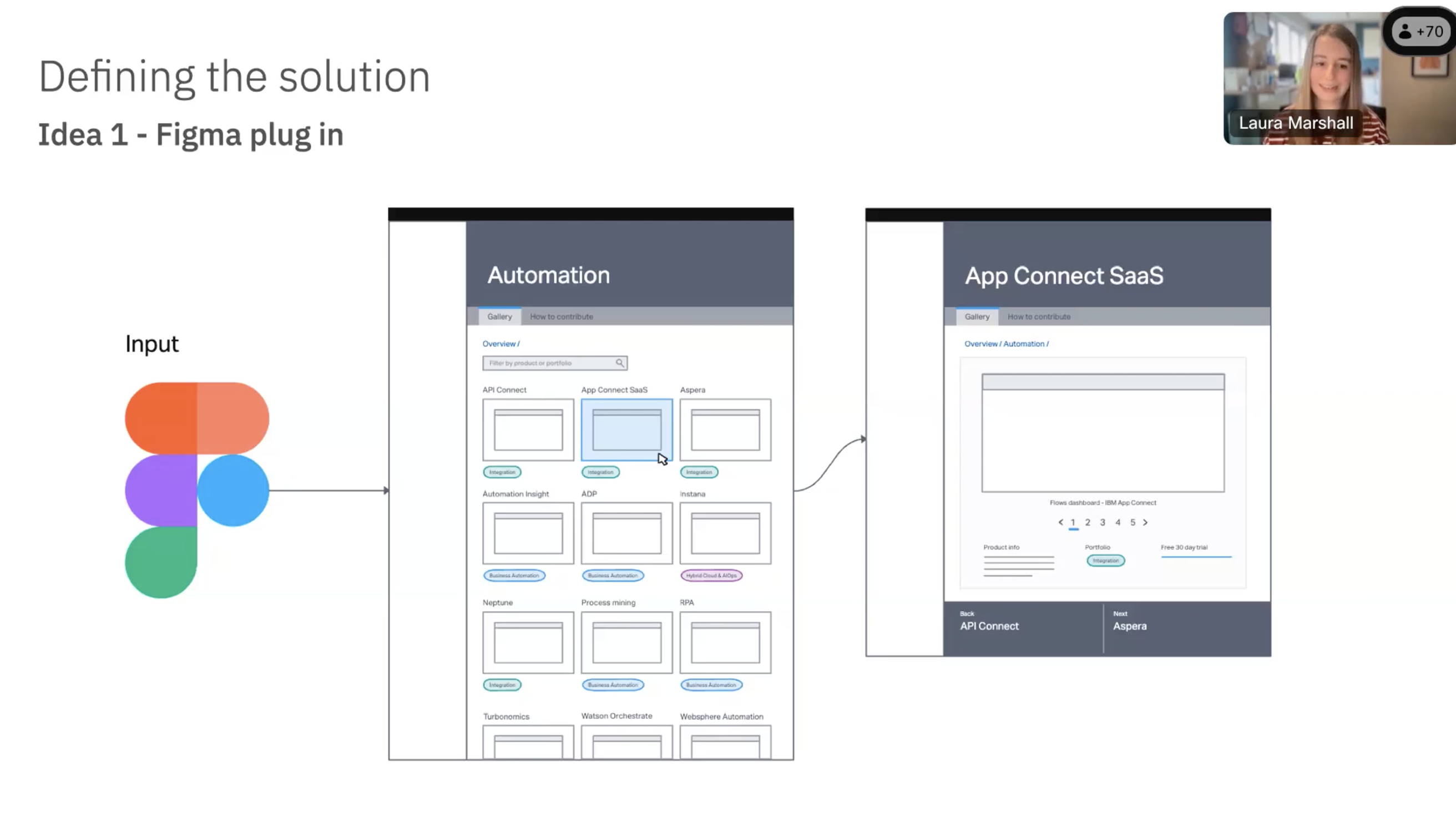
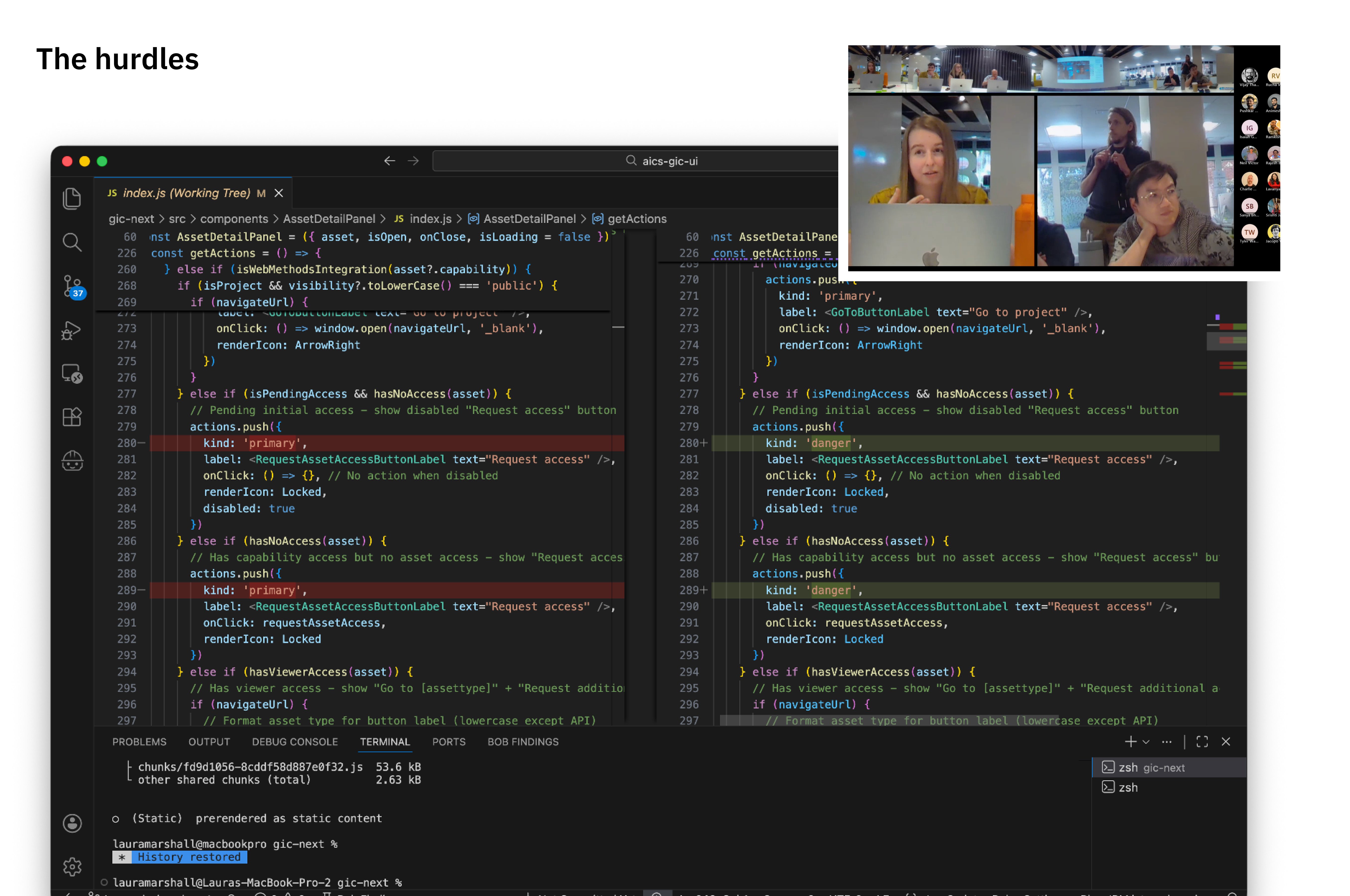
For six years I've taught design to university students. I've led workshops in Bangalore, presented to clients at the Hursley Summit, run AI sessions for Nationwide, spoken at IBM's Design Festival, and shared learnings across IBM's design community. Speaking, teaching, and building community: these have always been part of the job for me.
A Designer Advocate builds genuine community relationships and shows up for people who aren't paying them to be there. Six years teaching at a university — outside my job description, fitted around my day job — is the clearest example I have of that instinct. The talks and workshops are the same thing at a different scale. That's what I'd bring to Figma.
The story
Guest lecturing
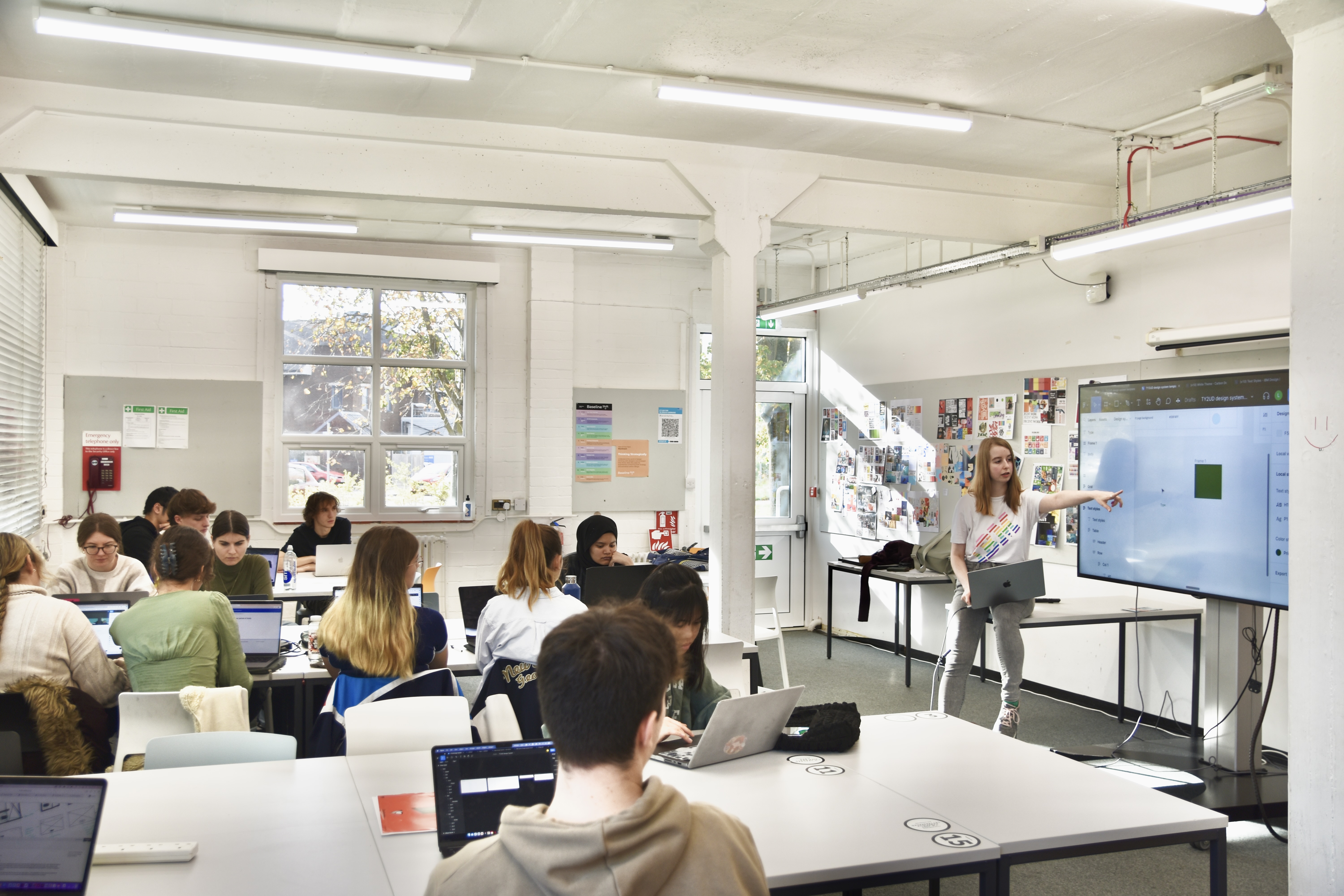
For six years I was Lead Lecturer on a university design module — teaching the skills I believed emerging designers actually needed to succeed in industry. At its peak I ran 10 sessions a year: workshops, taught sessions, and individual feedback.
The module grew into something I'm proud of. One of the students I taught was later hired at IBM. The feedback was consistently strong — and the challenge of making design concepts land with students at different levels sharpened how I explain things to everyone else.
Teaching over COVID was its own lesson. Running a design thinking workshop for 40 students with every camera off and every microphone muted forced me to find ways to create engagement without any of the usual signals. I came back from that a better communicator.
Talks & events
Across IBM I've presented to audiences ranging from fellow designers to engineers to paying clients. The Nationwide workshop was a direct example of using design to move a customer: I ran a live session showing how Figma Make and IBM Bob could change their team's workflow, built a working prototype from a paper sketch during the session to make it concrete, and left them with something they could take back and act on. The Hursley Americas Summit was the same dynamic at a different scale — presenting early product work to client stakeholders who needed to understand where we were going and why it was worth their attention.
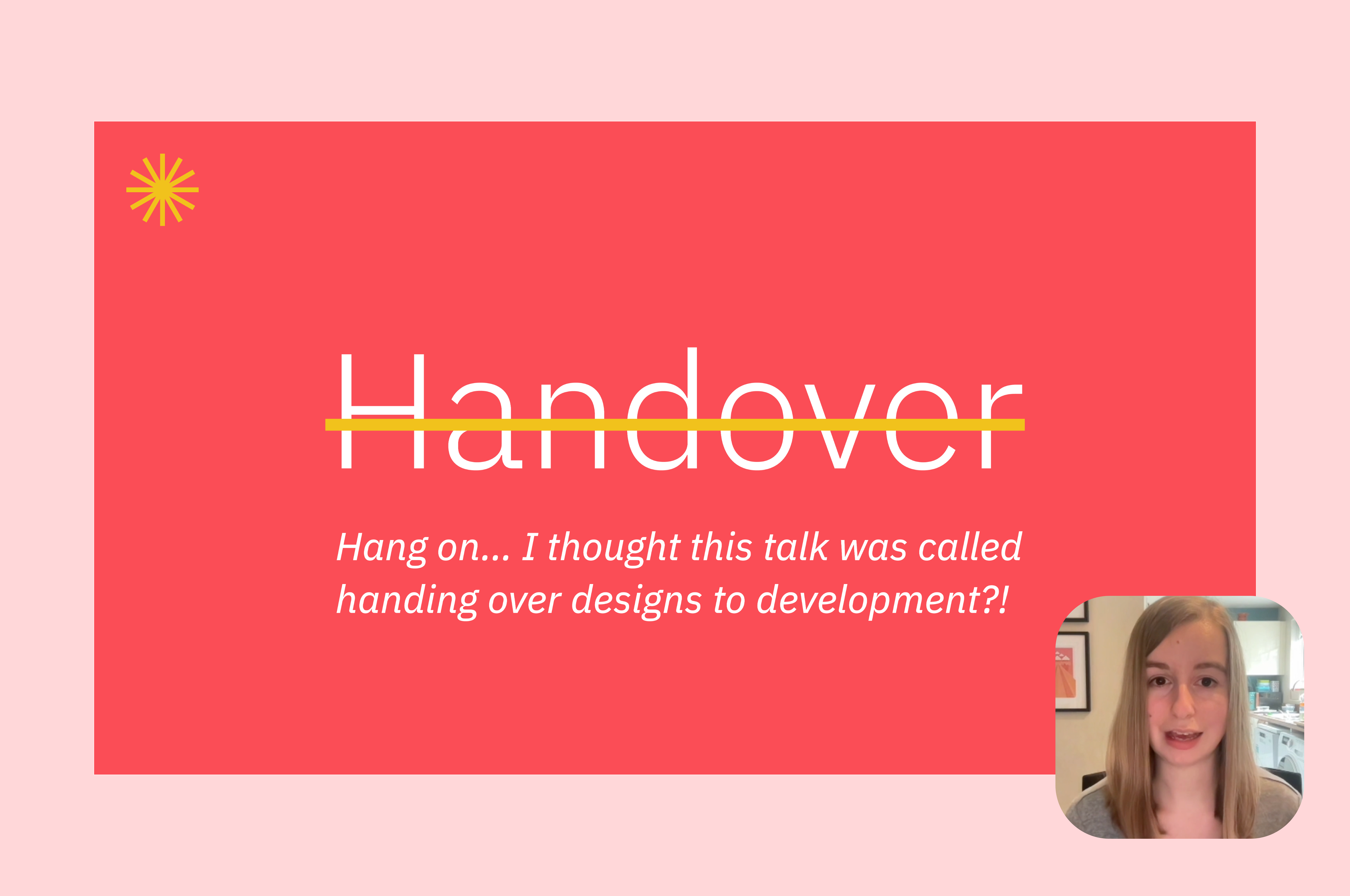
The approach is always the same: find the insight that's genuinely useful to the room, strip out everything that isn't, and make it concrete enough to act on. The Design Festival talk is the clearest example — research across 100+ developers, turned into a session that reached IBM's design community and changed how teams structure their Figma-to-code handoff.