I found gaps in an open-source design system. Then I fixed them.
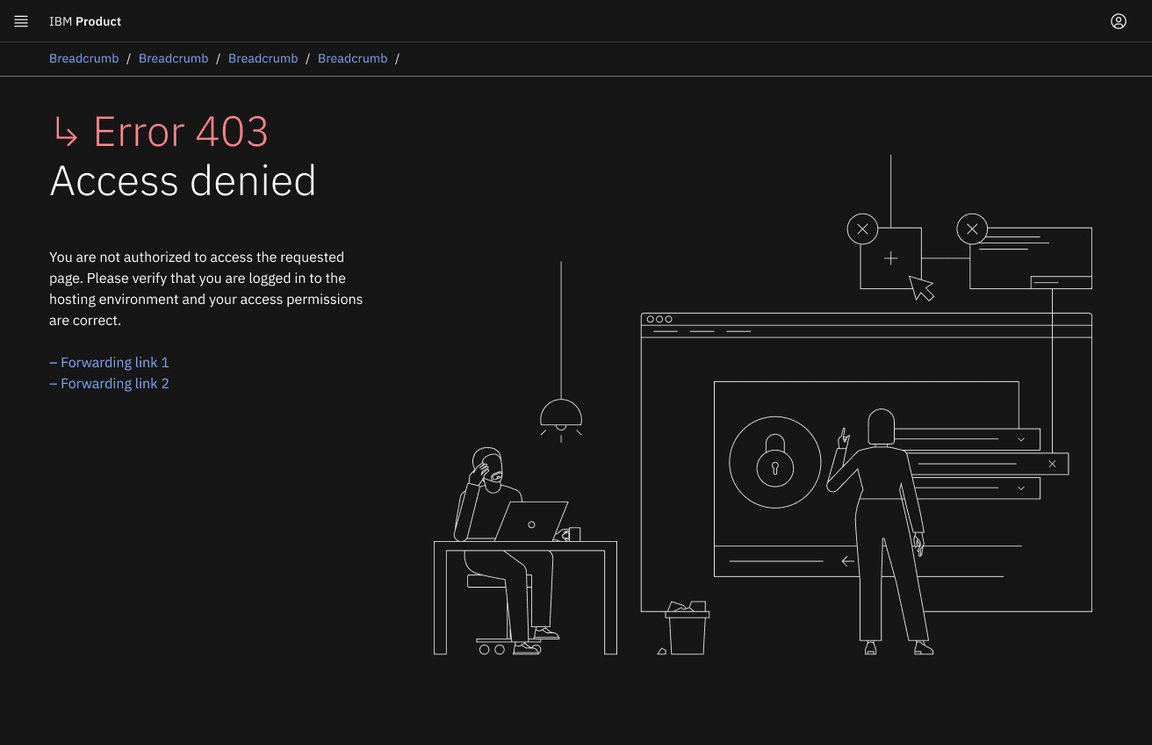
I noticed something broken or missing in my design community and fixed it — without being asked. Carbon was missing patterns the community needed — I wrote them. IBM's design community had no way to see its own best work. None of it was in my job description, and all of it is still in use.
Advocacy is about showing up for a community that isn't paying you to be there. None of this was in my job description — but the instinct to notice a gap and fill it is exactly what a Designer Advocate does.
The story
Making good design visible
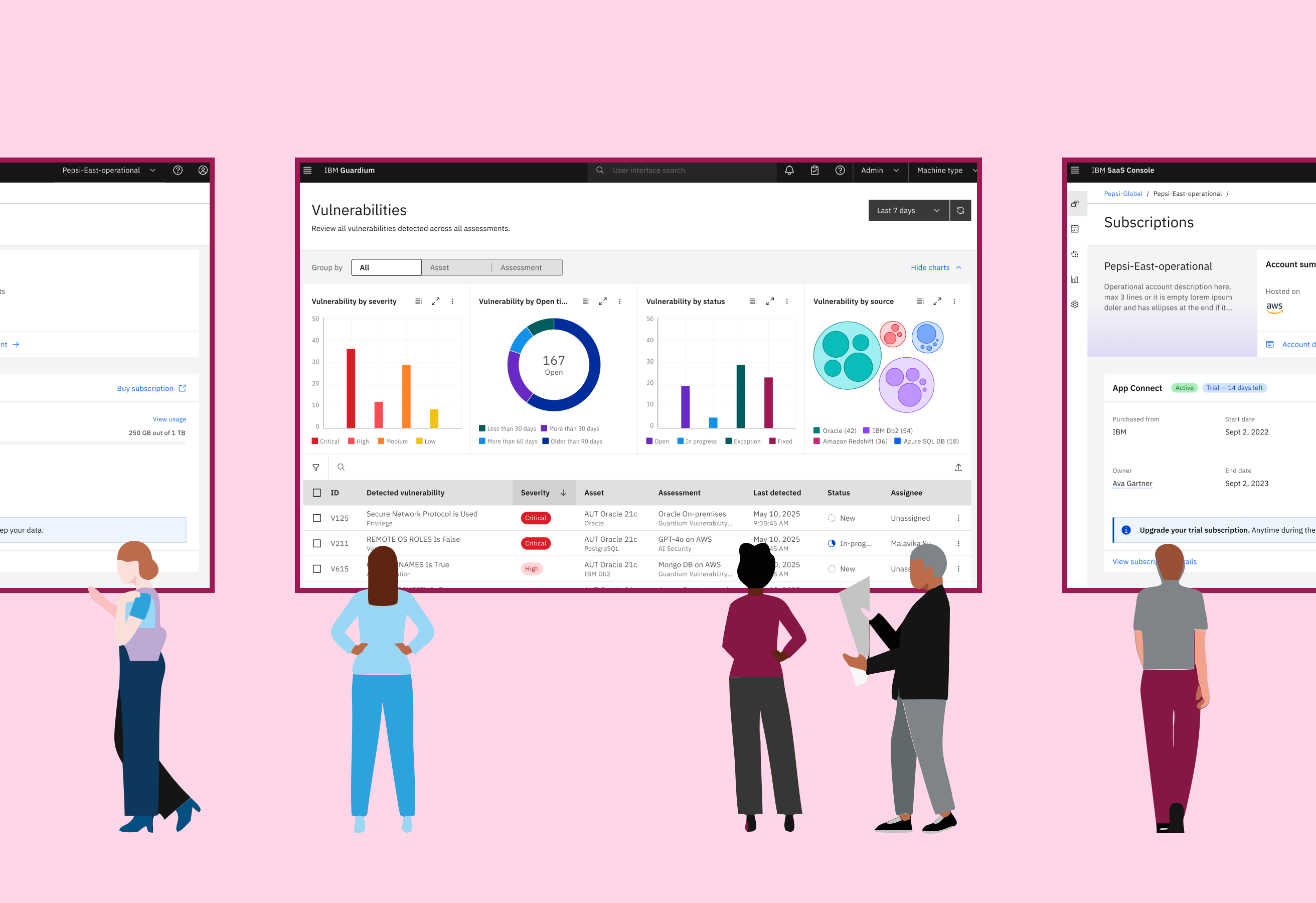
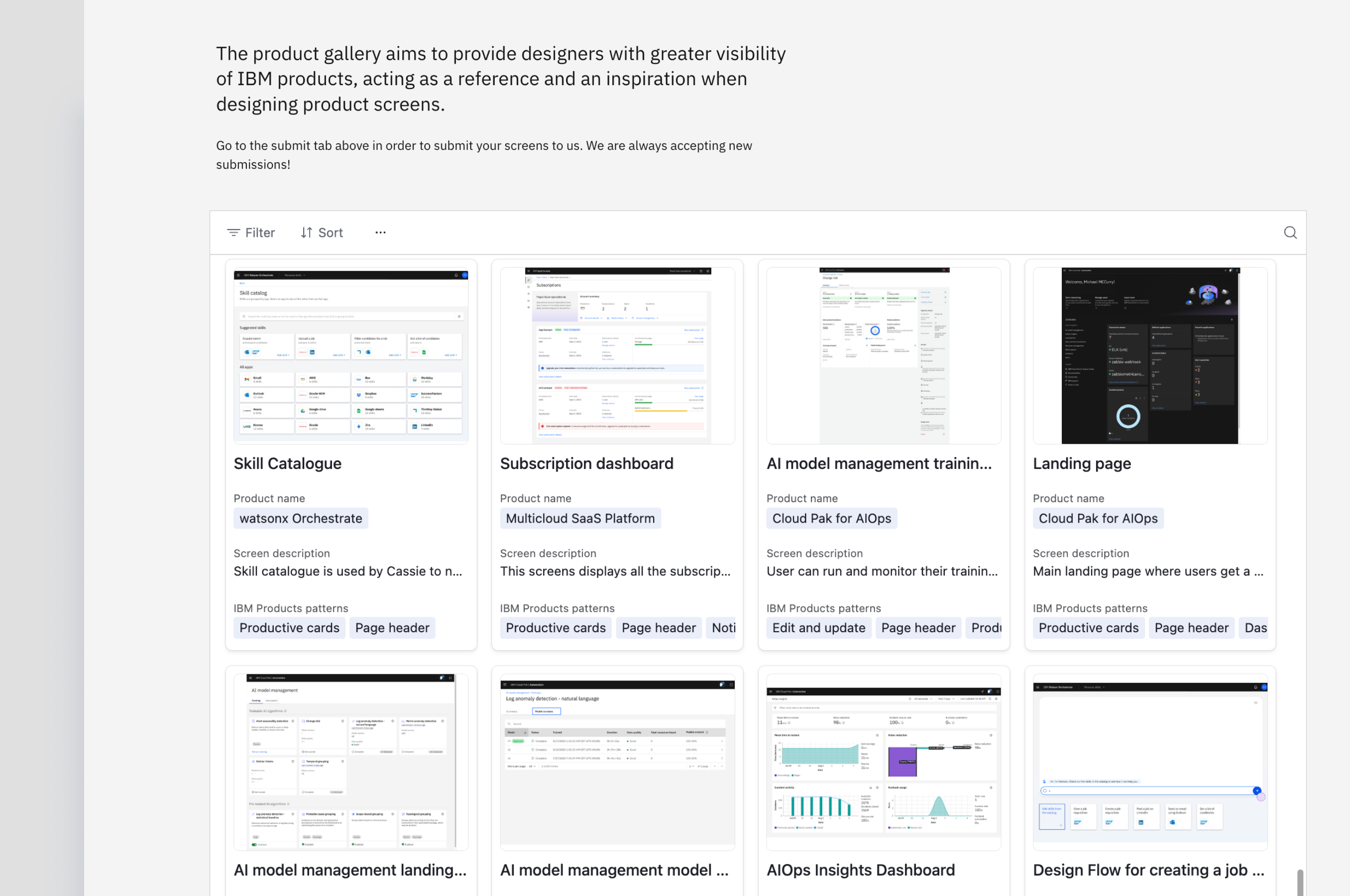
IBM Software spans thousands of designers across hundreds of products. Good design was happening everywhere — but teams had no way to see it. Design systems gave teams the rules; no one could see how others had applied them.
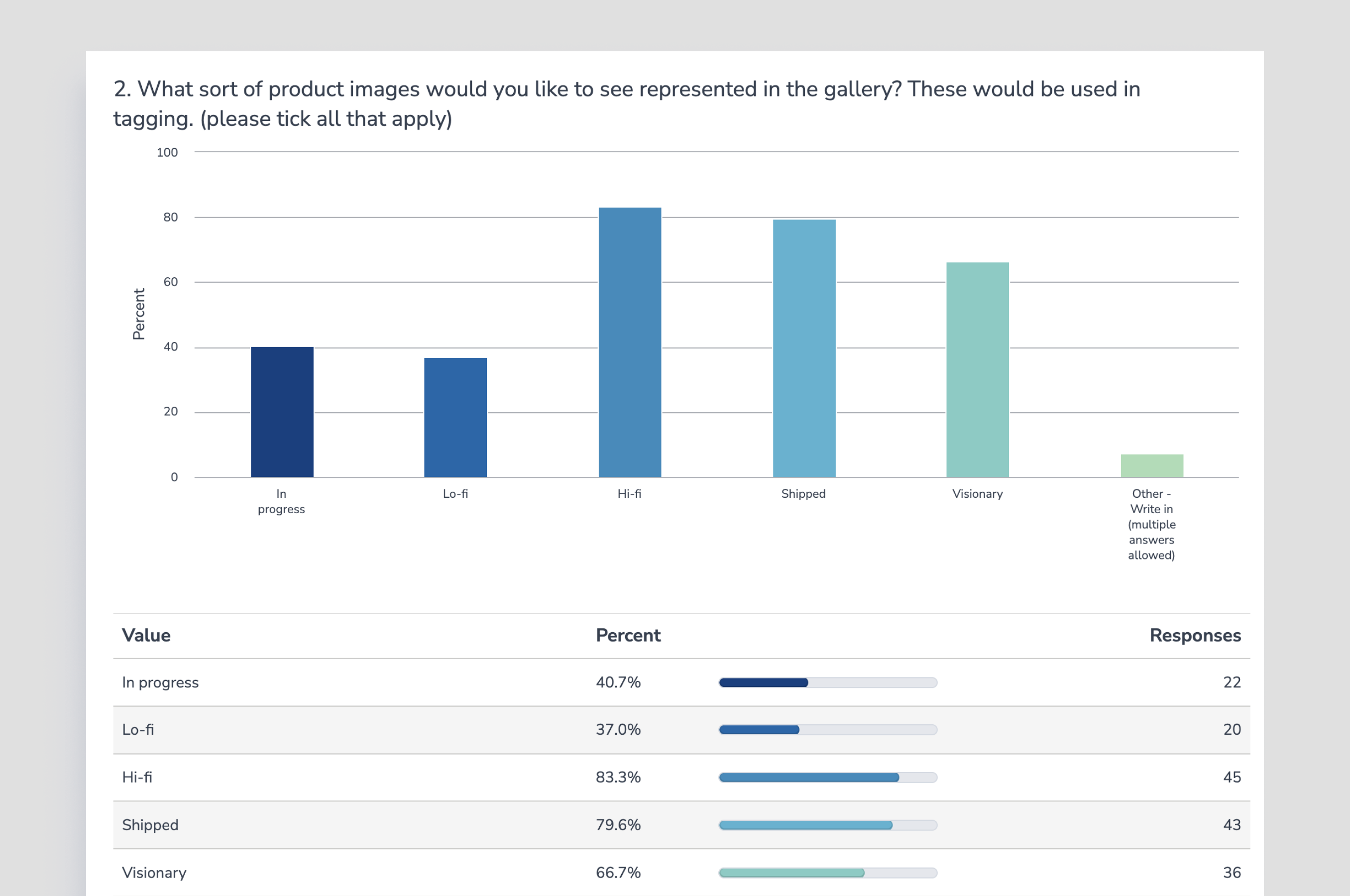
I interviewed 19 designers to validate the idea — 11 out of 19 gave it 5/5 for value. Teams wanted hi-fi screens and end-to-end flows for inspiration and reuse. The gallery had been wanted for years but never launched. I led the initiative alongside a colleague to finally ship it.
The solution was Airtable — self-service submission, no engineering dependency, iframed directly onto the design system site. It scaled to 56 product submissions and 144 live screens without requiring ongoing maintenance from our volunteer team.
Filling gaps in the design system
Carbon is IBM's open-source design system — used across hundreds of IBM products and by teams across the industry. All of my contributions happened outside my day job.
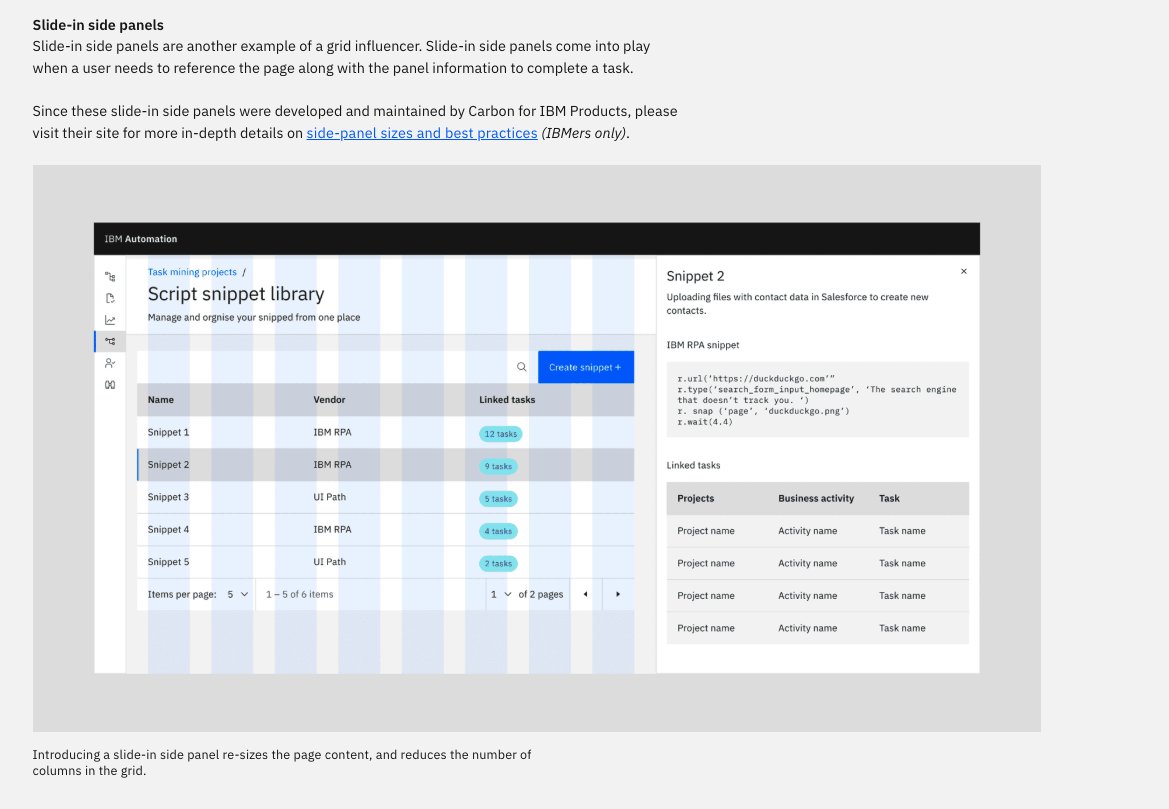
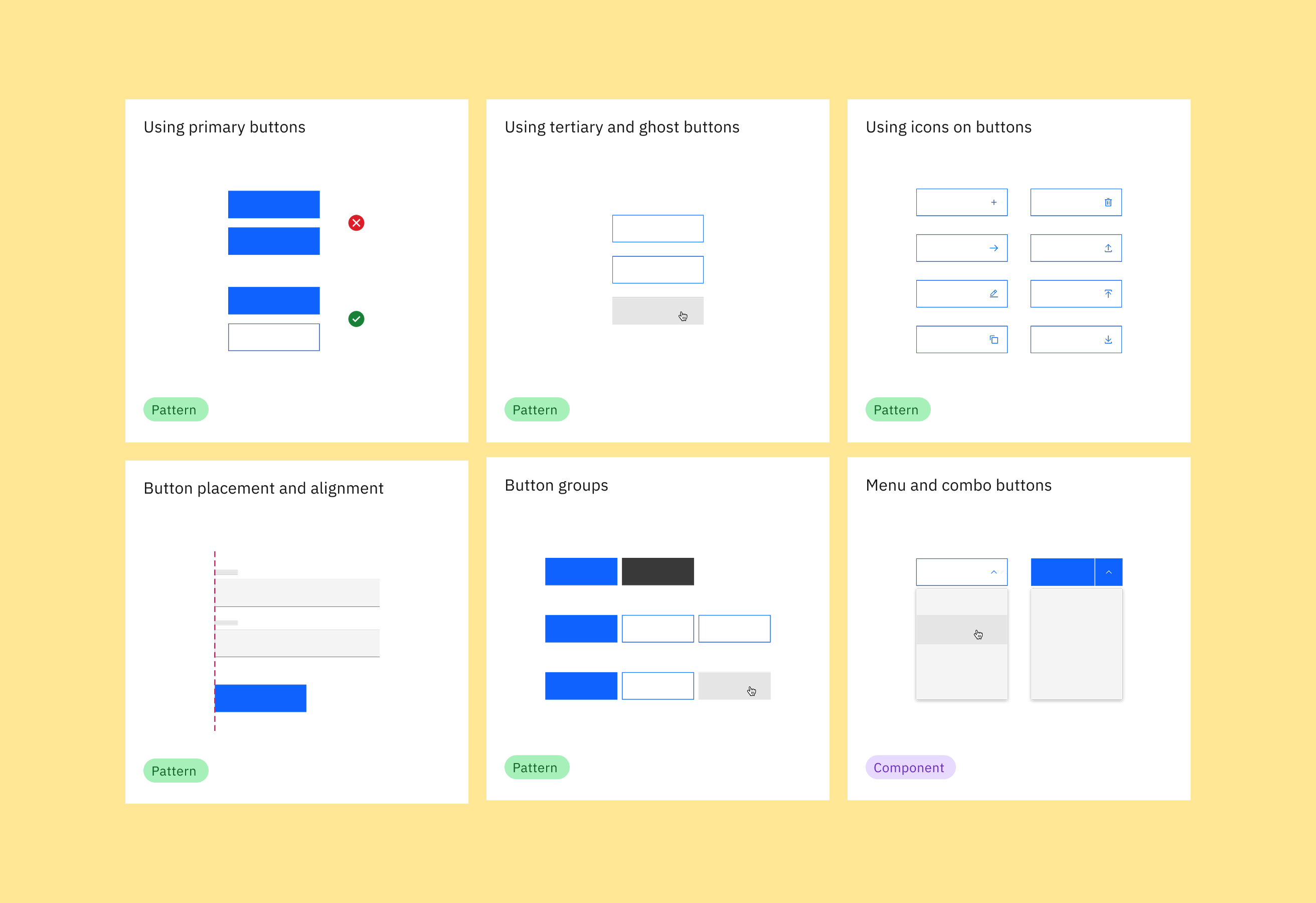
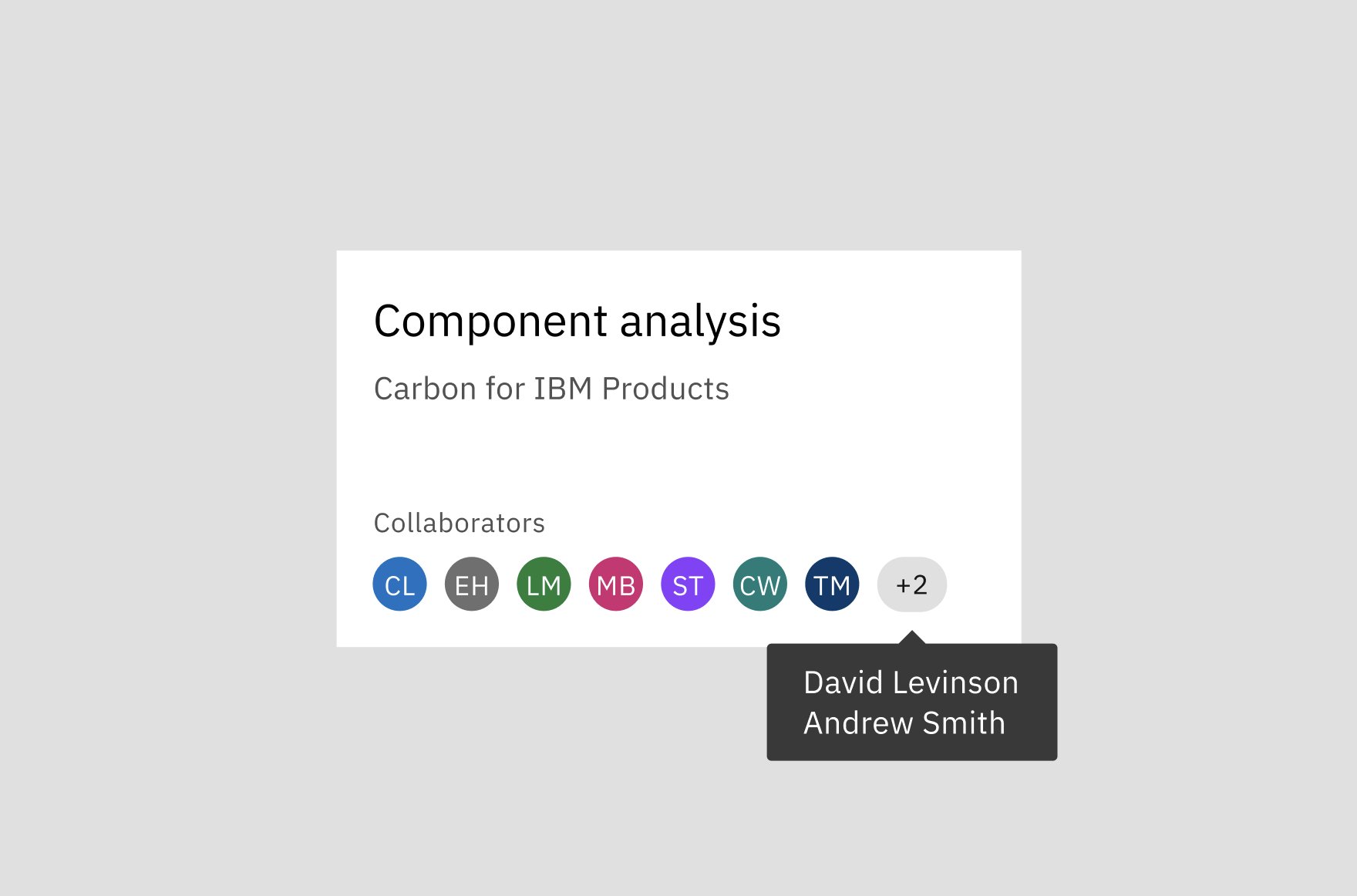
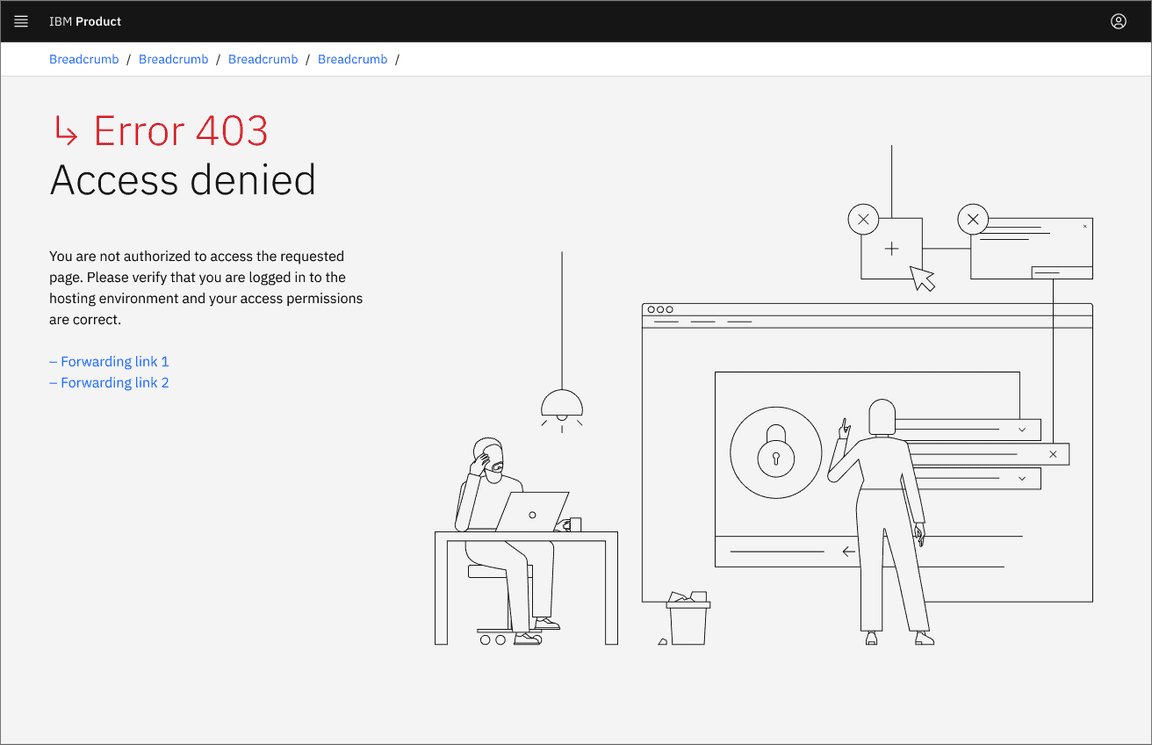
I partnered with Carbon's core systems team to author guidelines, build Figma library components, and establish standards adopted upstream into the system. Over four years I contributed grid components, menu and combo buttons, accessible multi-theme error views, and tag overflow behaviours — translating community feedback directly into scalable system standards.