Carbon adoption at scale — with teams who didn't choose it.
Three IBM products. Eight acquired products. One platform. I led the Carbon migration strategy, bringing together different design systems, engineering cultures, 20+ engineers, and an acquired design team around a shared foundation.
Carbon Next needs to be a system teams choose to adopt — not one they quietly route around. This is the story of aligning fragmented products, teams, and priorities under real constraints, and what that taught me about earning trust in a design system.
The story
The challenge
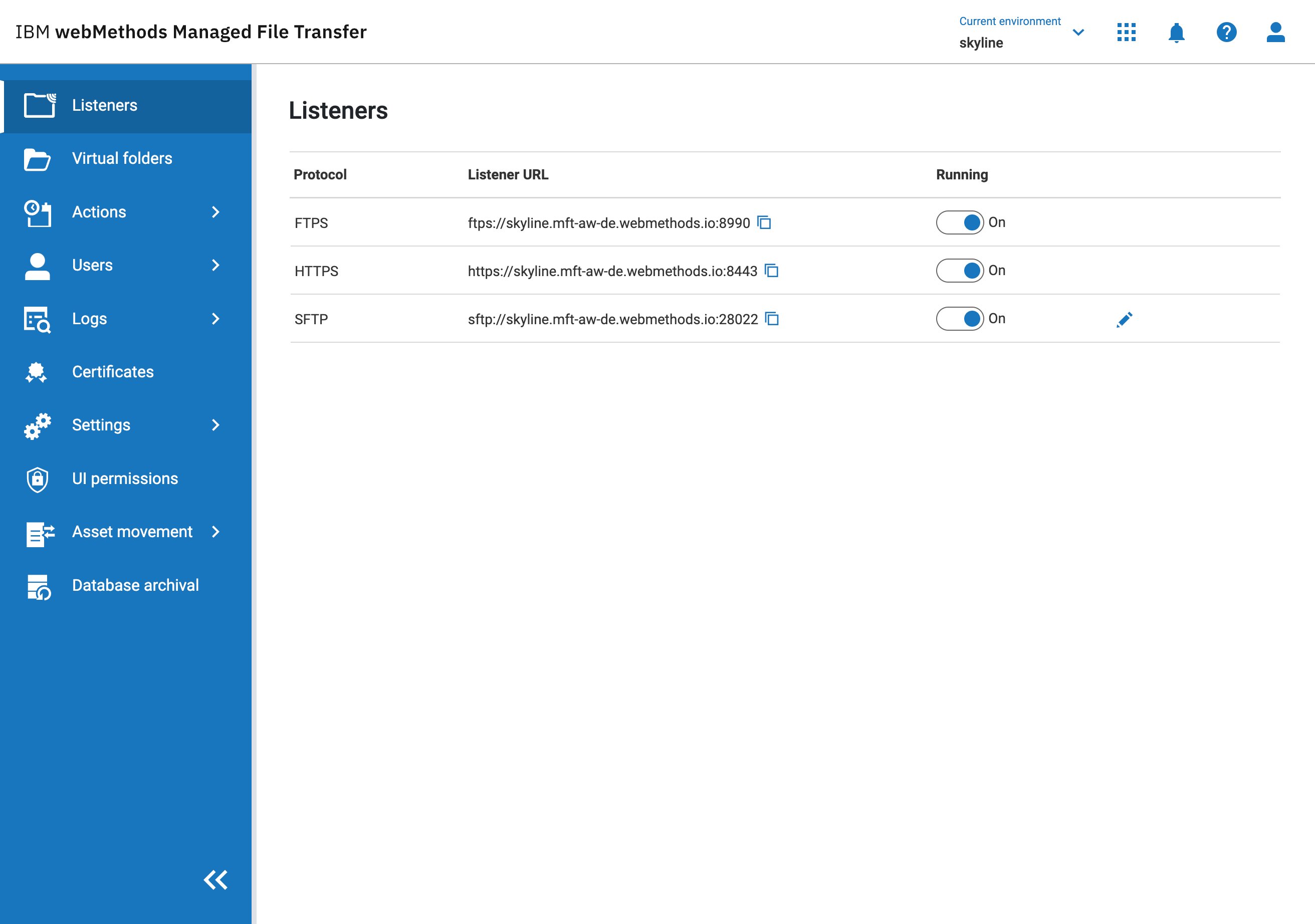
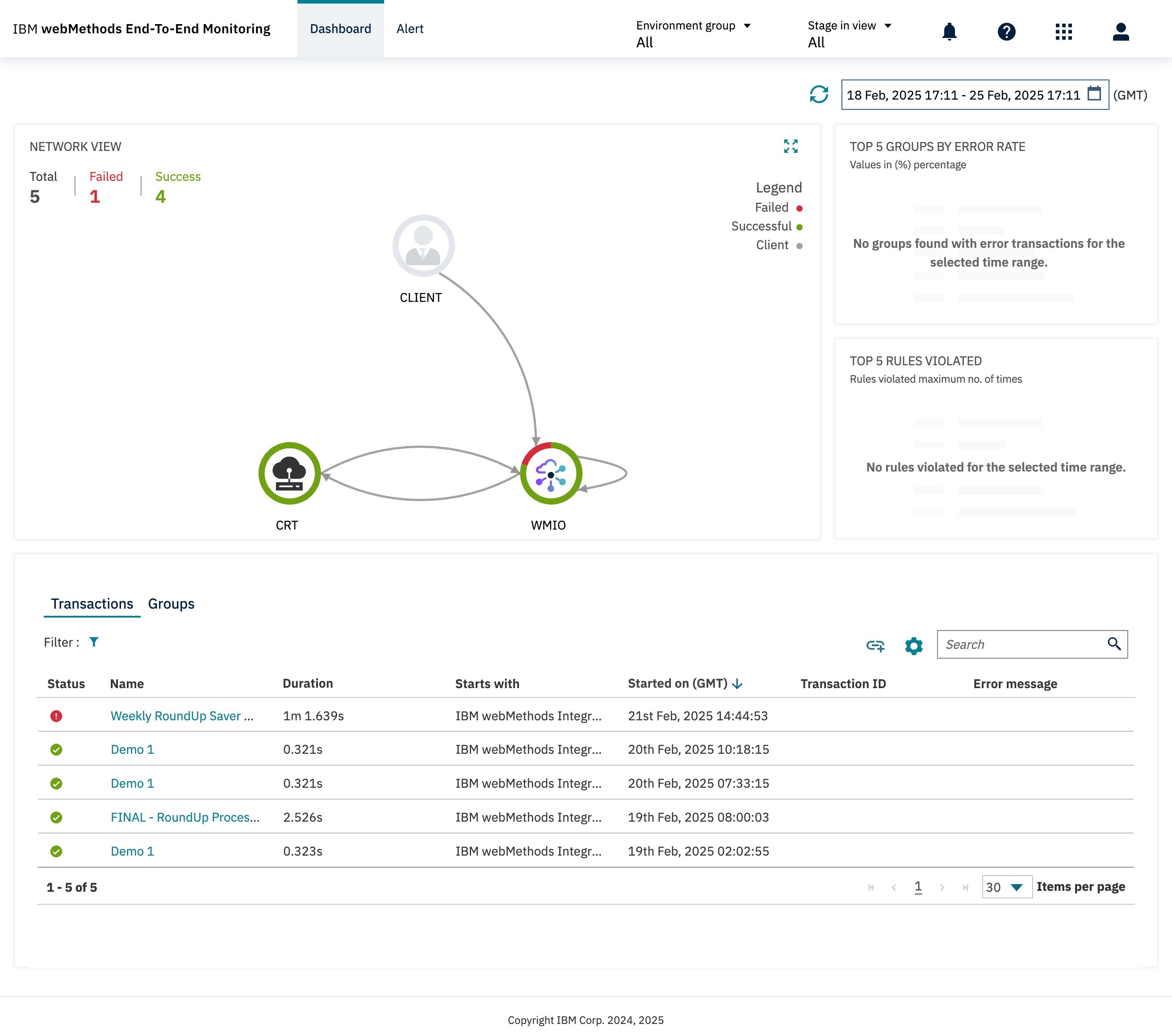
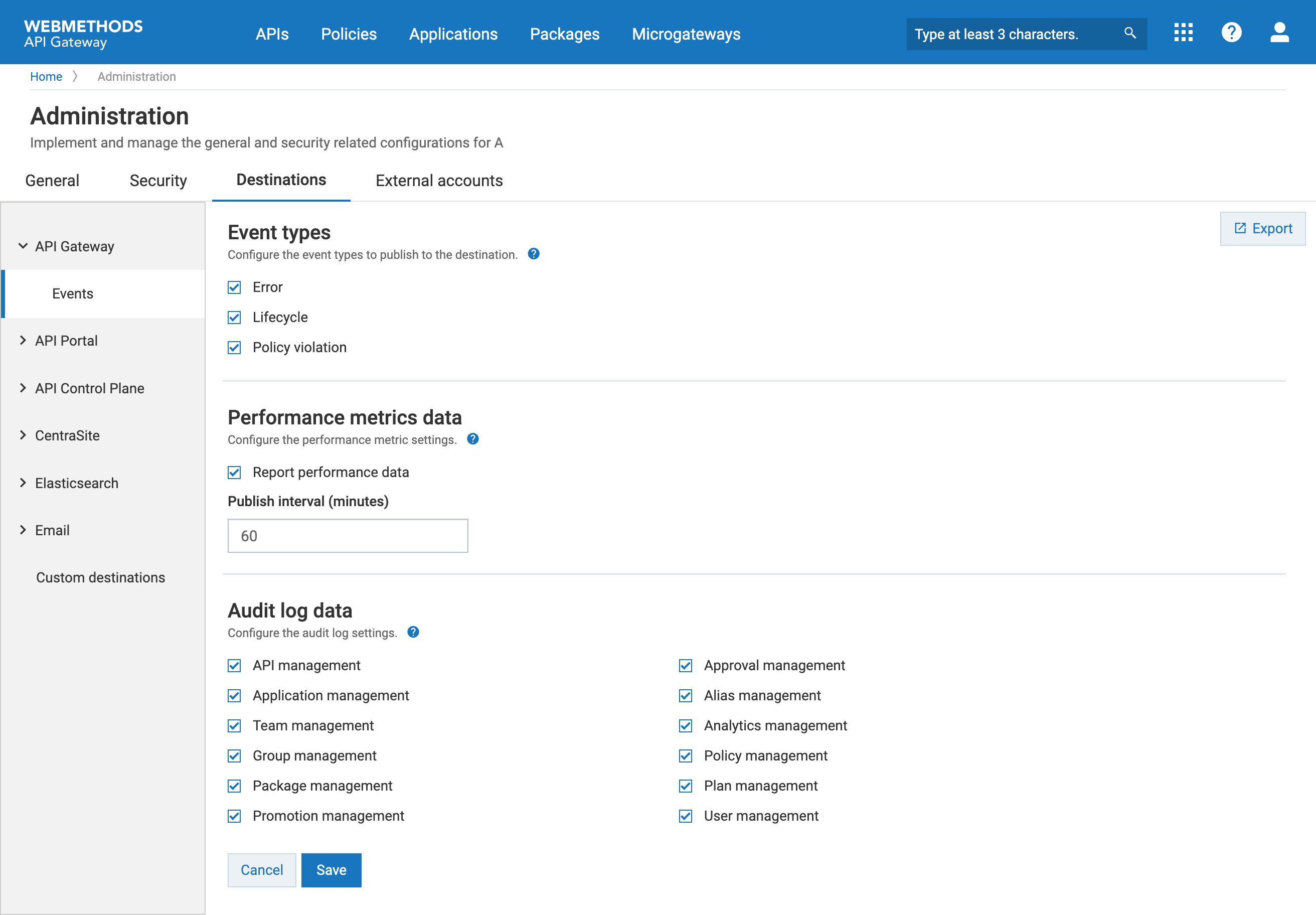
Eight acquired products would join three existing IBM products in a single platform — but every product looked different, built against vastly different versions of their own design system. Most teams had no design tokens, most were on Angular, and none had chosen Carbon.
The challenge wasn't just visual — it was cultural. The migration had to succeed across competing roadmaps, legacy technology, and teams at very different levels of maturity, all within nine months. The job wasn't just to define the right approach. It was to define one that could be adopted.
The strategy
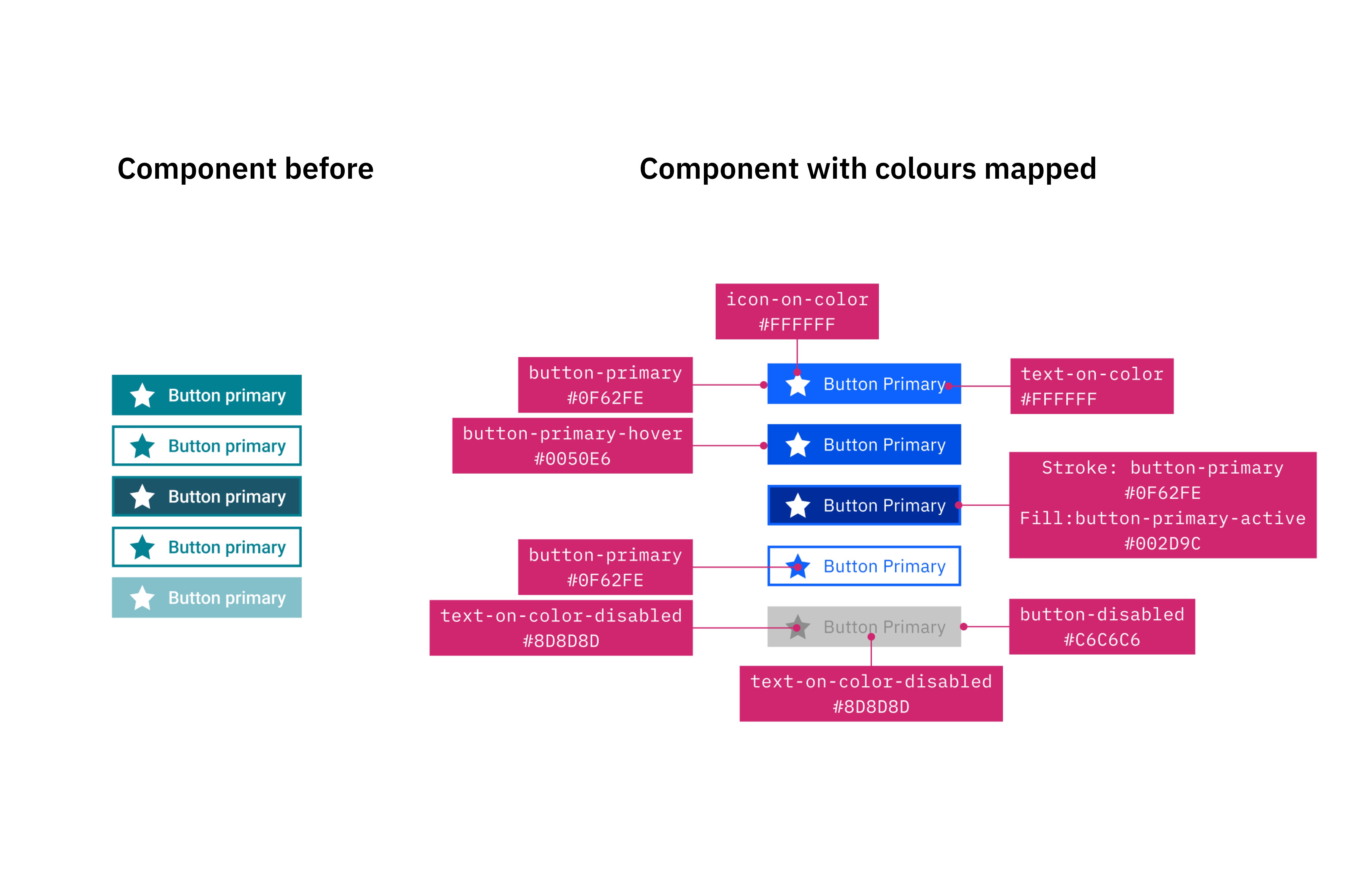
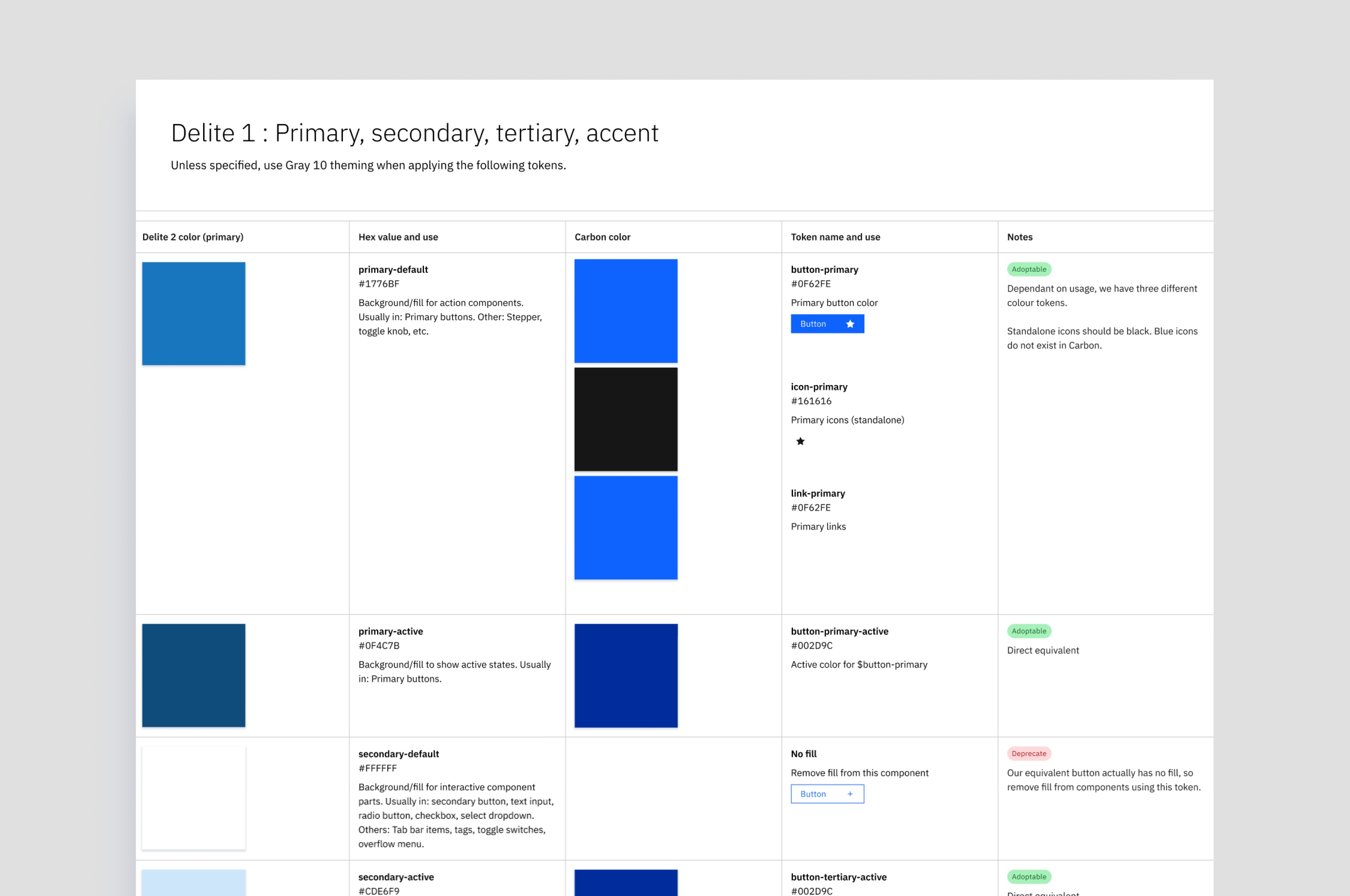
Component-level migration was considered, but the scale and timeline made it unrealistic. Instead, I focused on the foundations — colour, typography, iconography, and navigation — changes that delivered the biggest visual impact with the lowest implementation cost. We pivoted from design tokens to hex values when the timeline wouldn't support the former.
The strategy wasn't rigid. One developer portal relied on user customisation, so Carbon navigation would have hurt the experience. The goal wasn't perfect uniformity — it was creating a migration strategy teams could commit to.
The craft
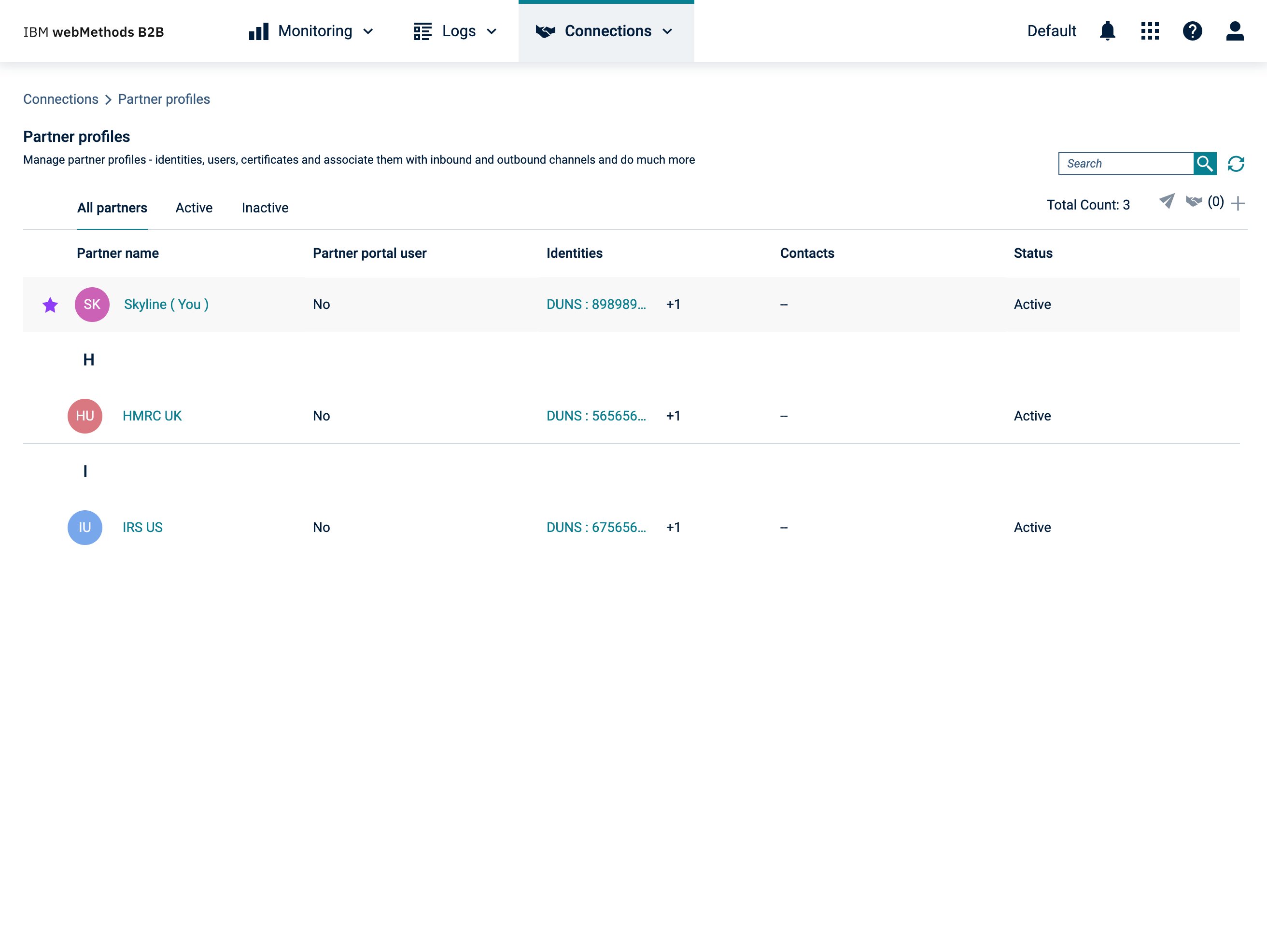
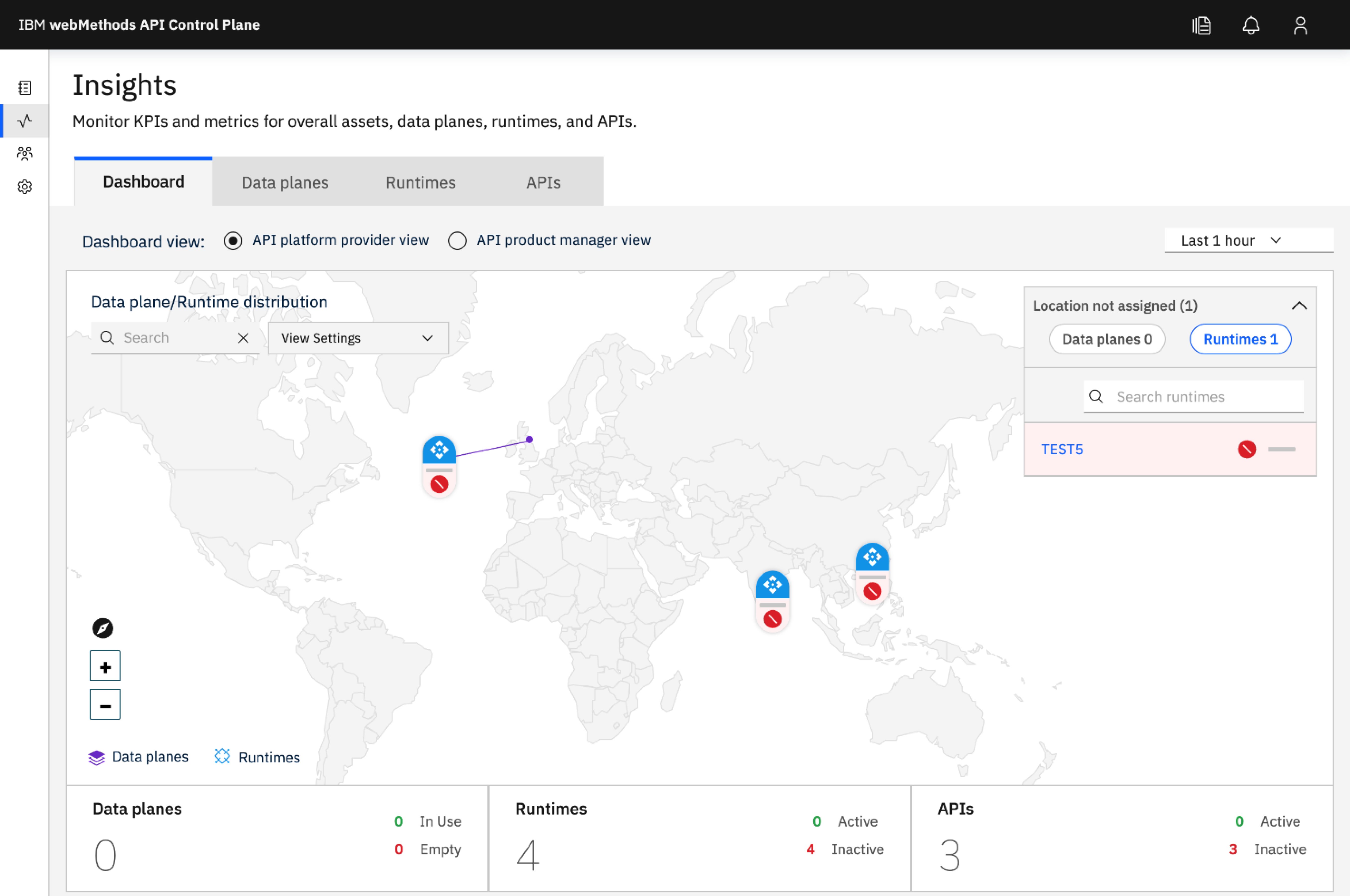
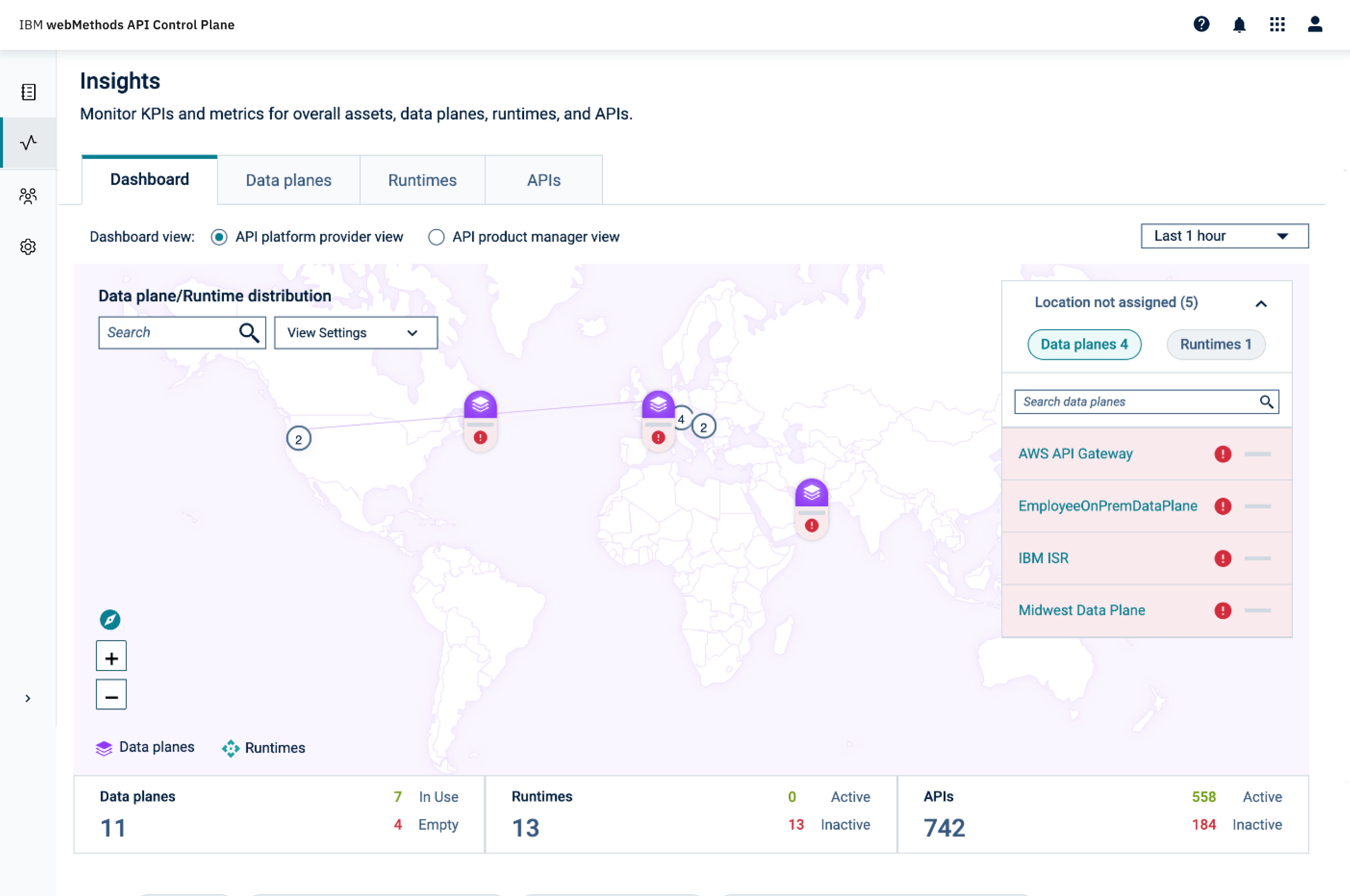
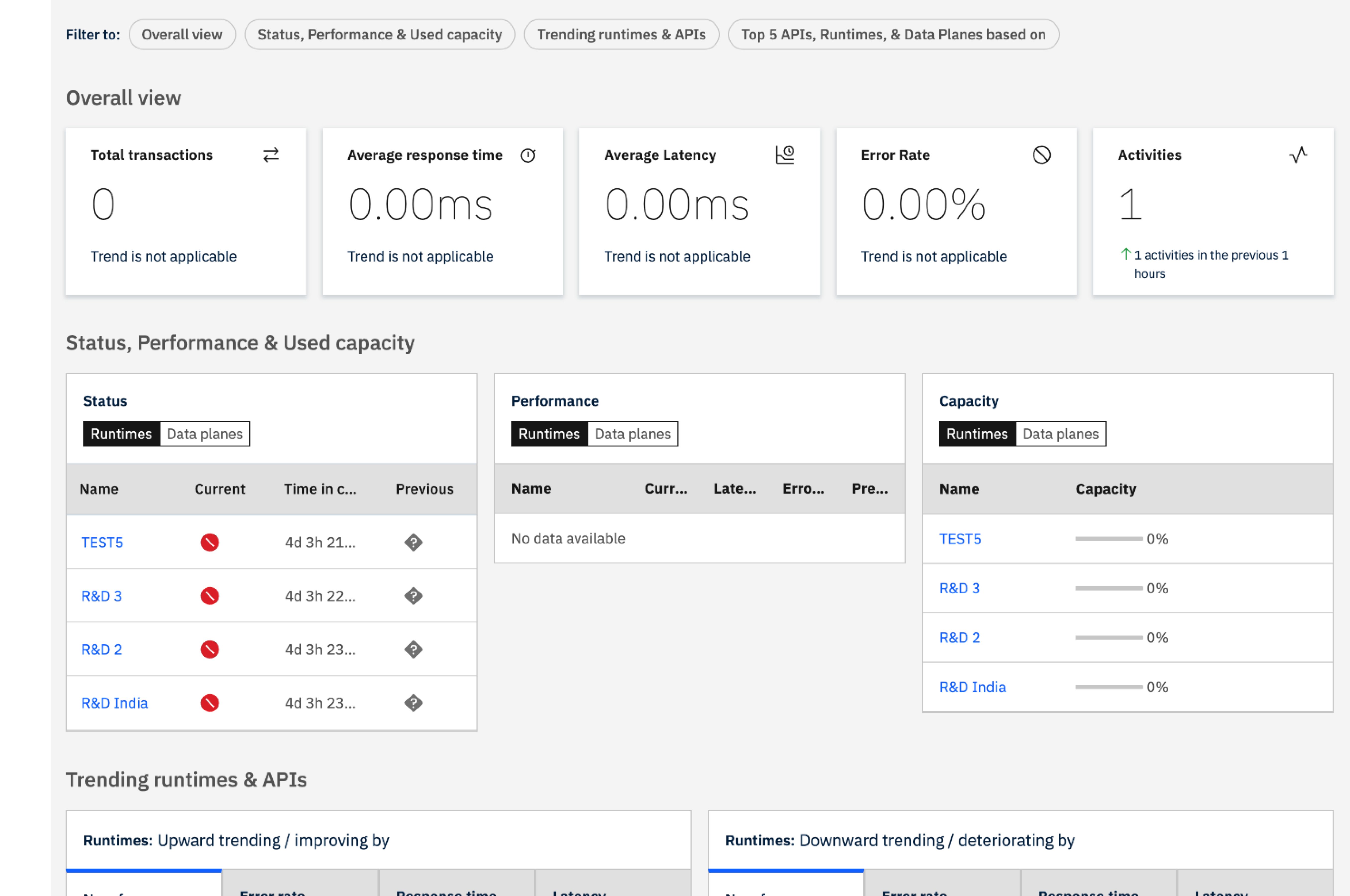
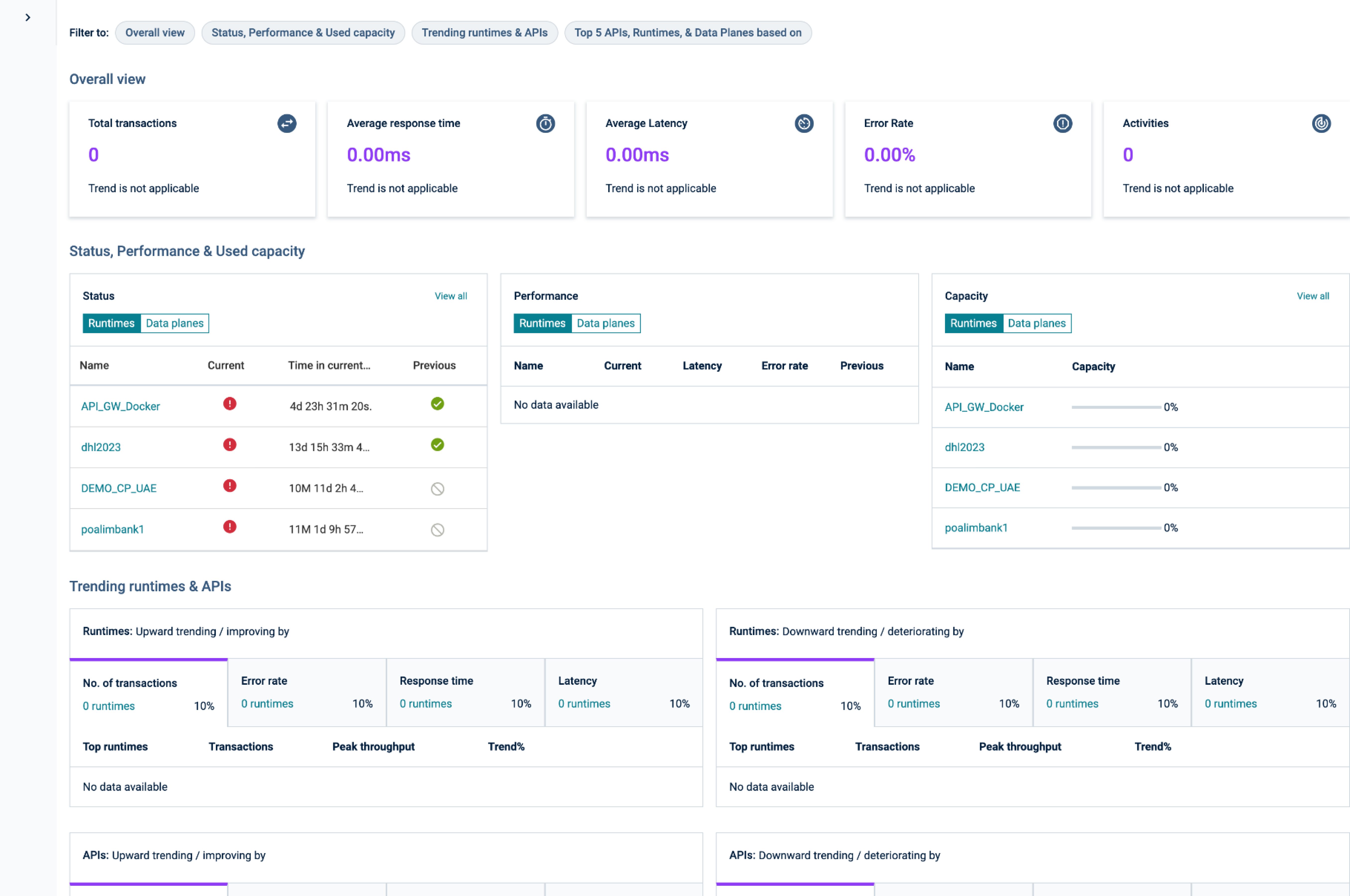
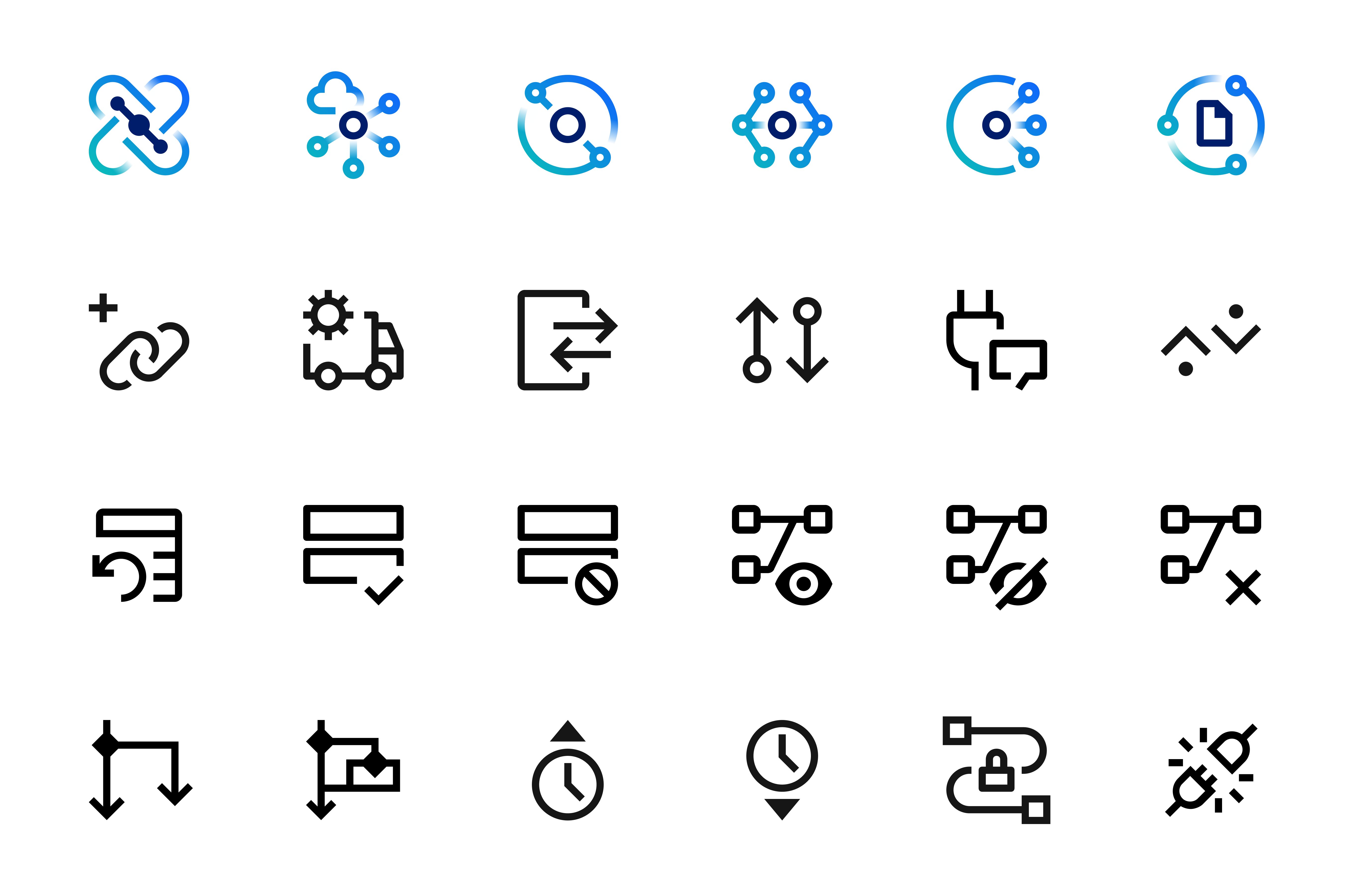
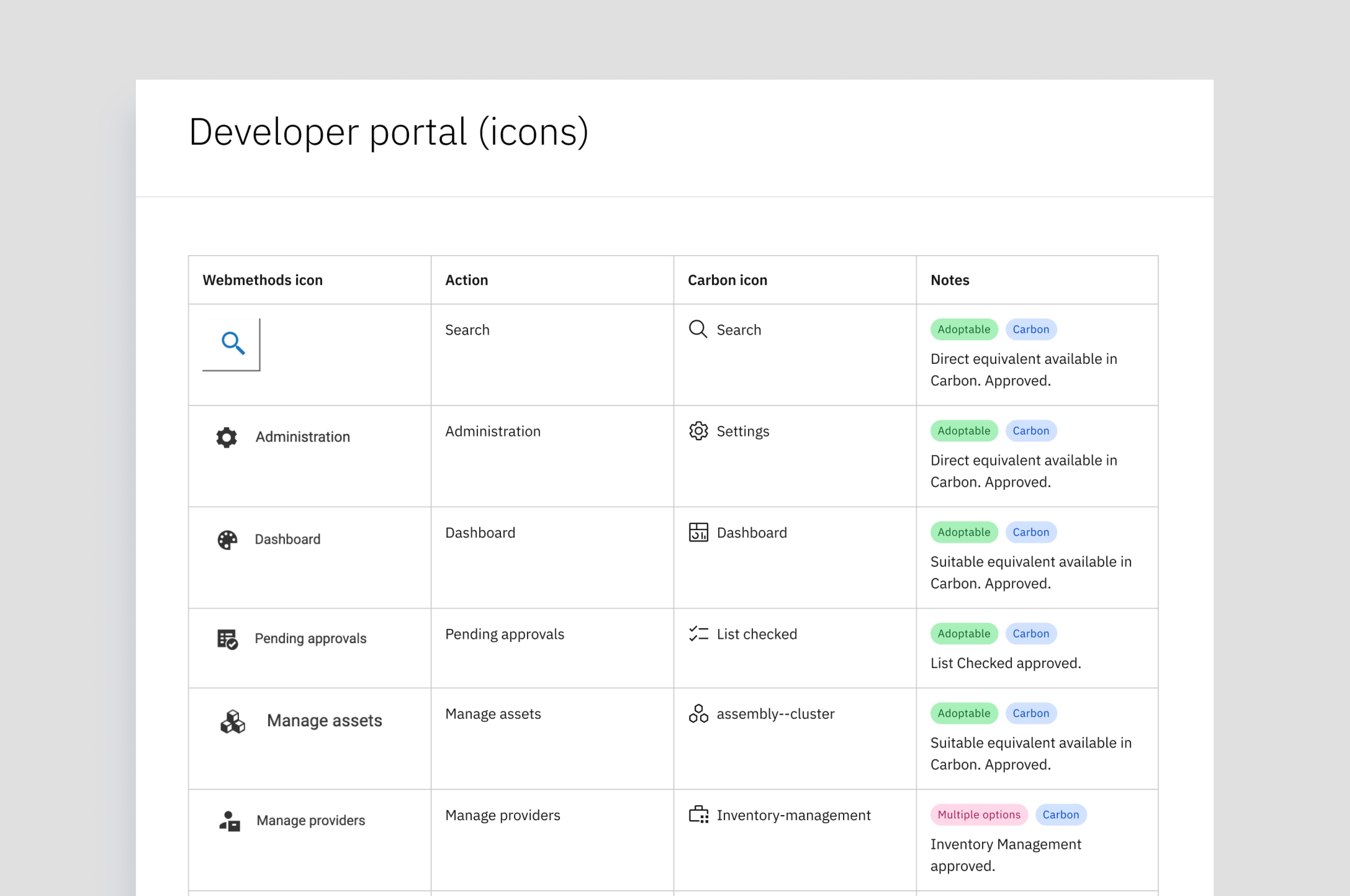
Colour mapping matrices weren't enough — teams needed something more concrete. I created product-specific reference screens showing Carbon applied to real UI, giving teams a clear target to build towards. For iconography, I led the effort to map every icon across the acquired products and contributed to the design of 30+ new Carbon icons to close migration gaps.
The work wasn't glamorous, but it mattered. Adoption at scale depends on reducing ambiguity — every reference screen, mapped icon, and resolved edge case increased consistency and reduced friction for delivery teams.
Holding the bar
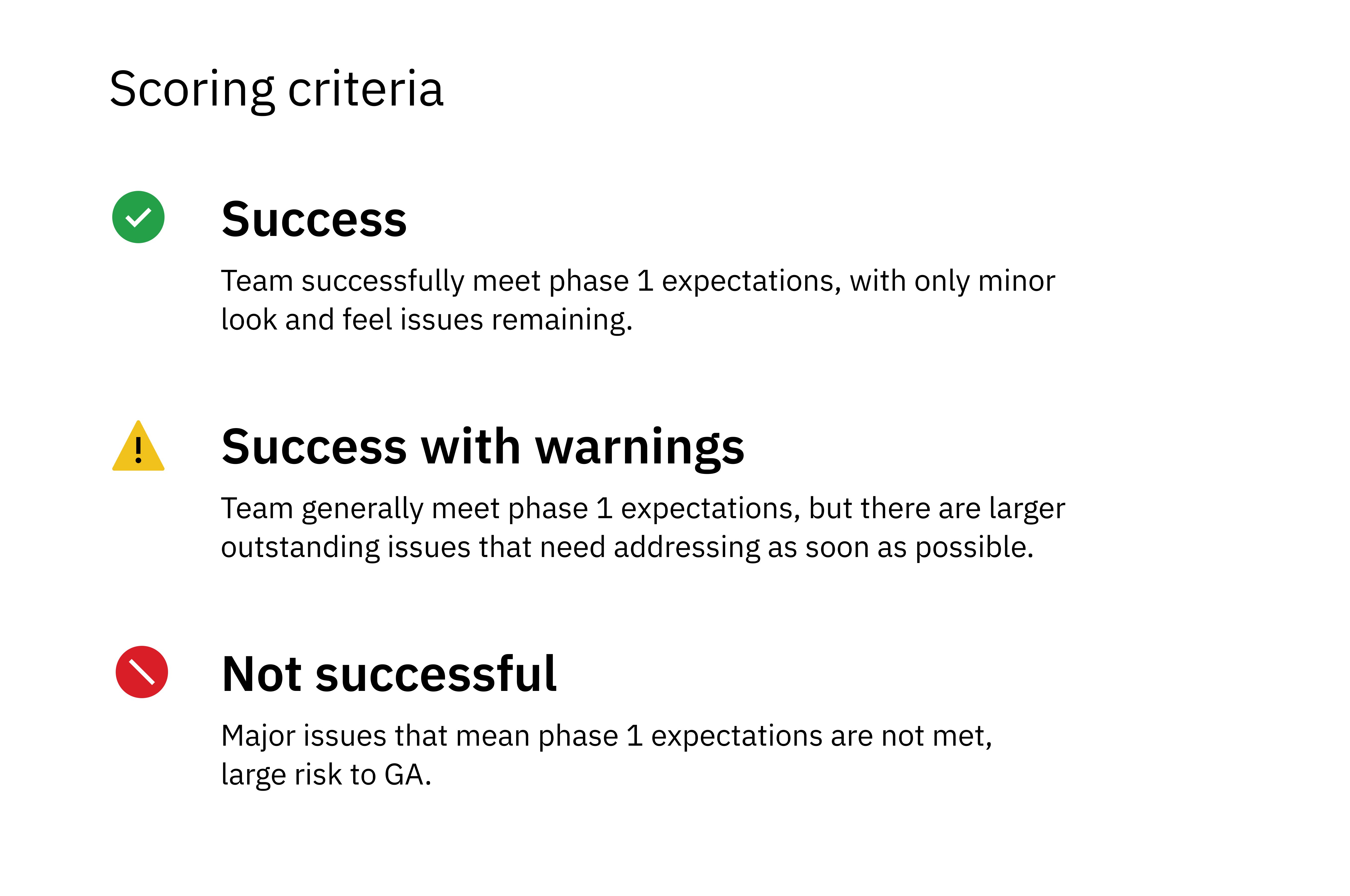
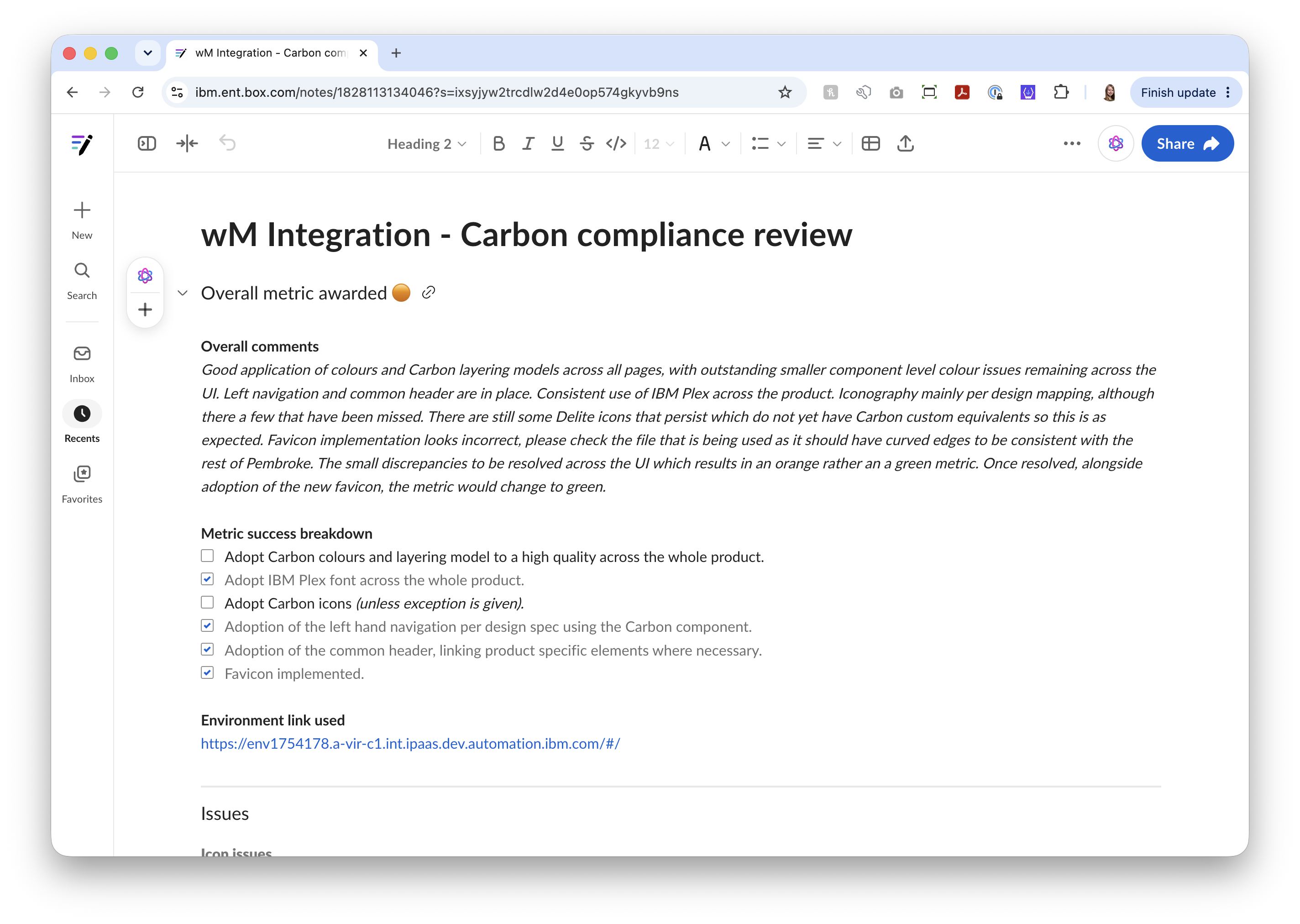
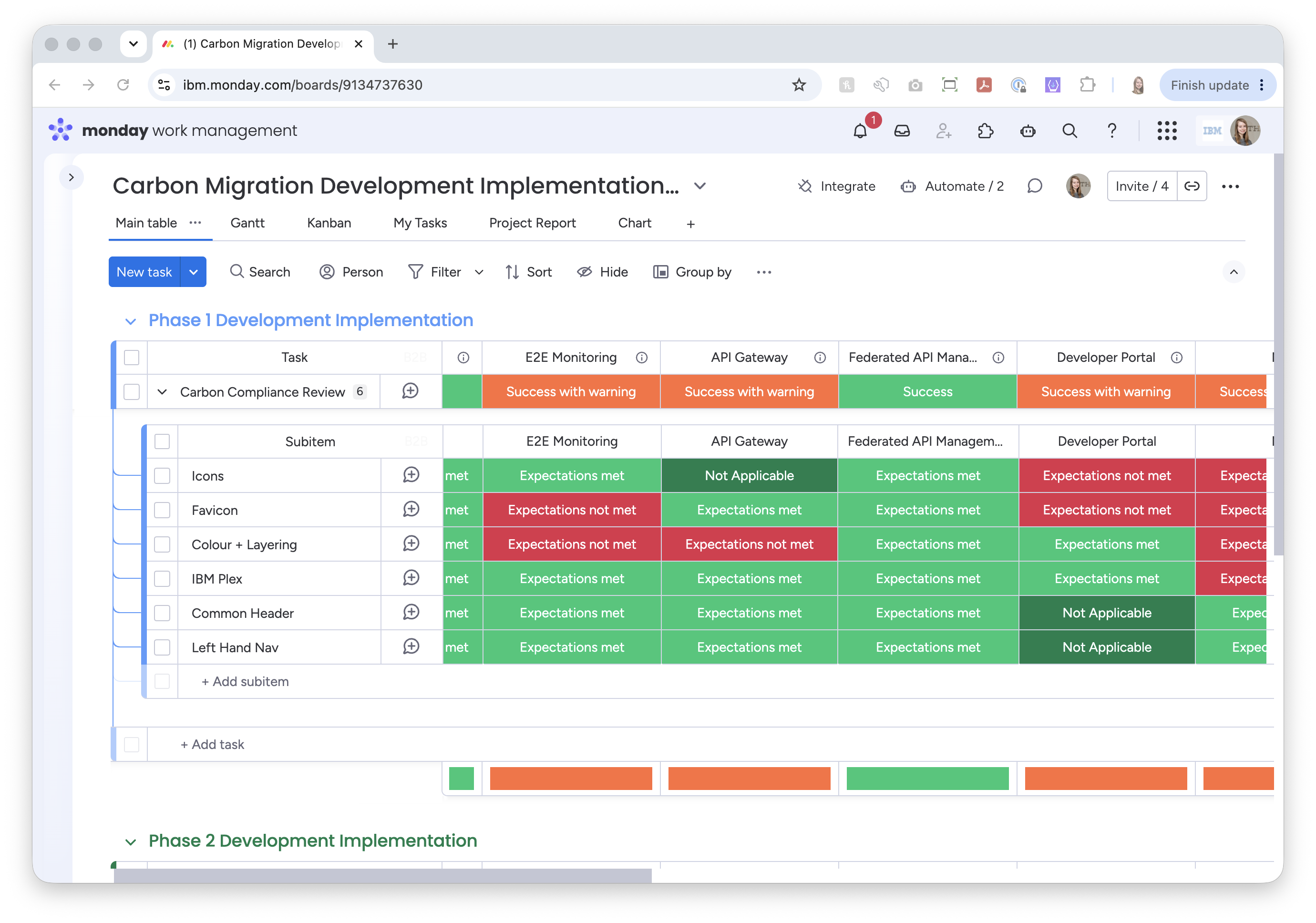
Detailed feedback sessions gave teams support, but couldn't answer the question everyone was asking: how far away are we? I designed a compliance review process from scratch — a three-tier rubric across six criteria that gave teams a clear target and leadership a measurable view of progress.
Issues weren't just identified — they were tracked, prioritised, and worked through against a shared definition of success. Teams knew what to do next, and leadership could see progress product by product.
What came next
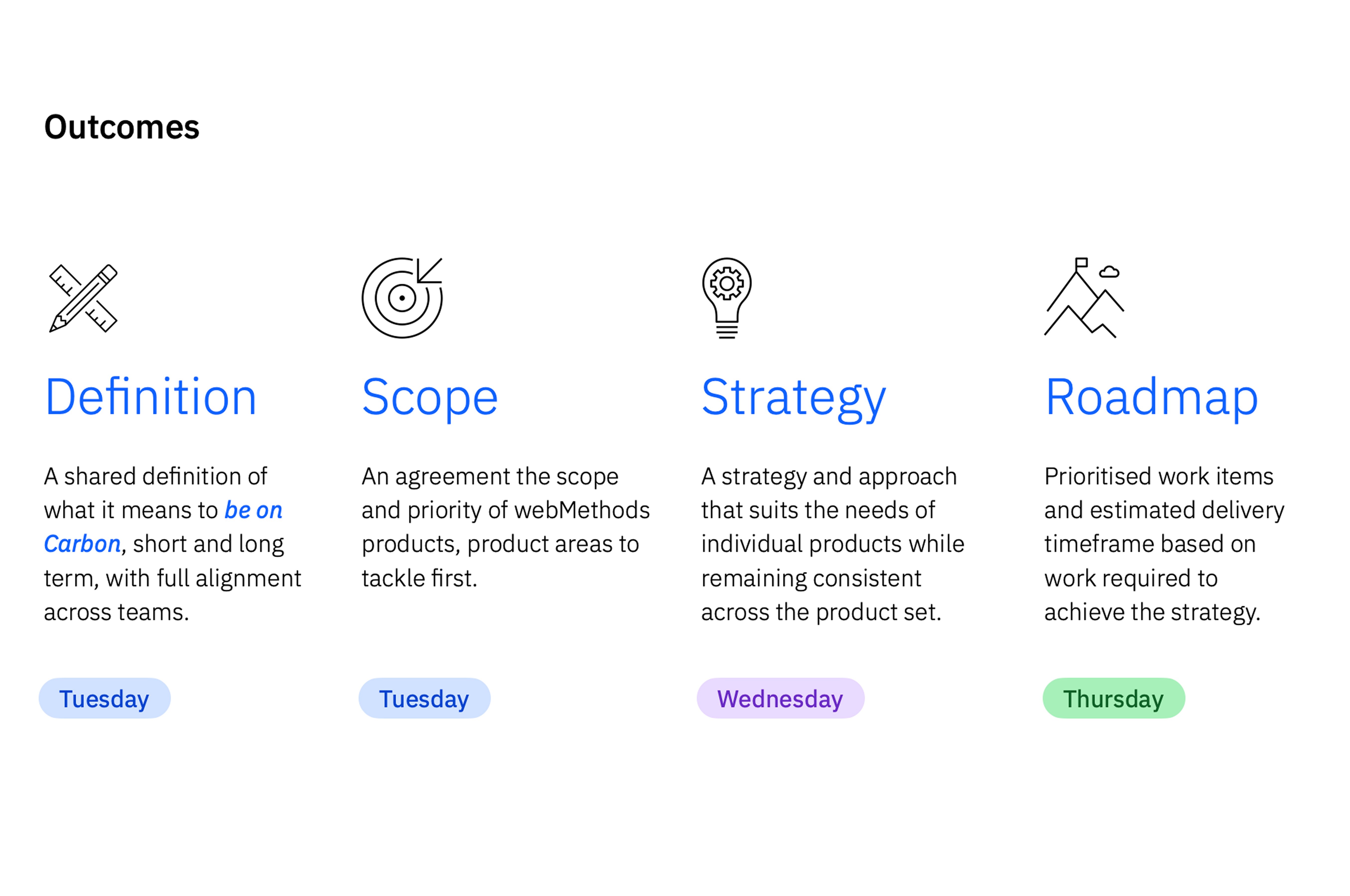
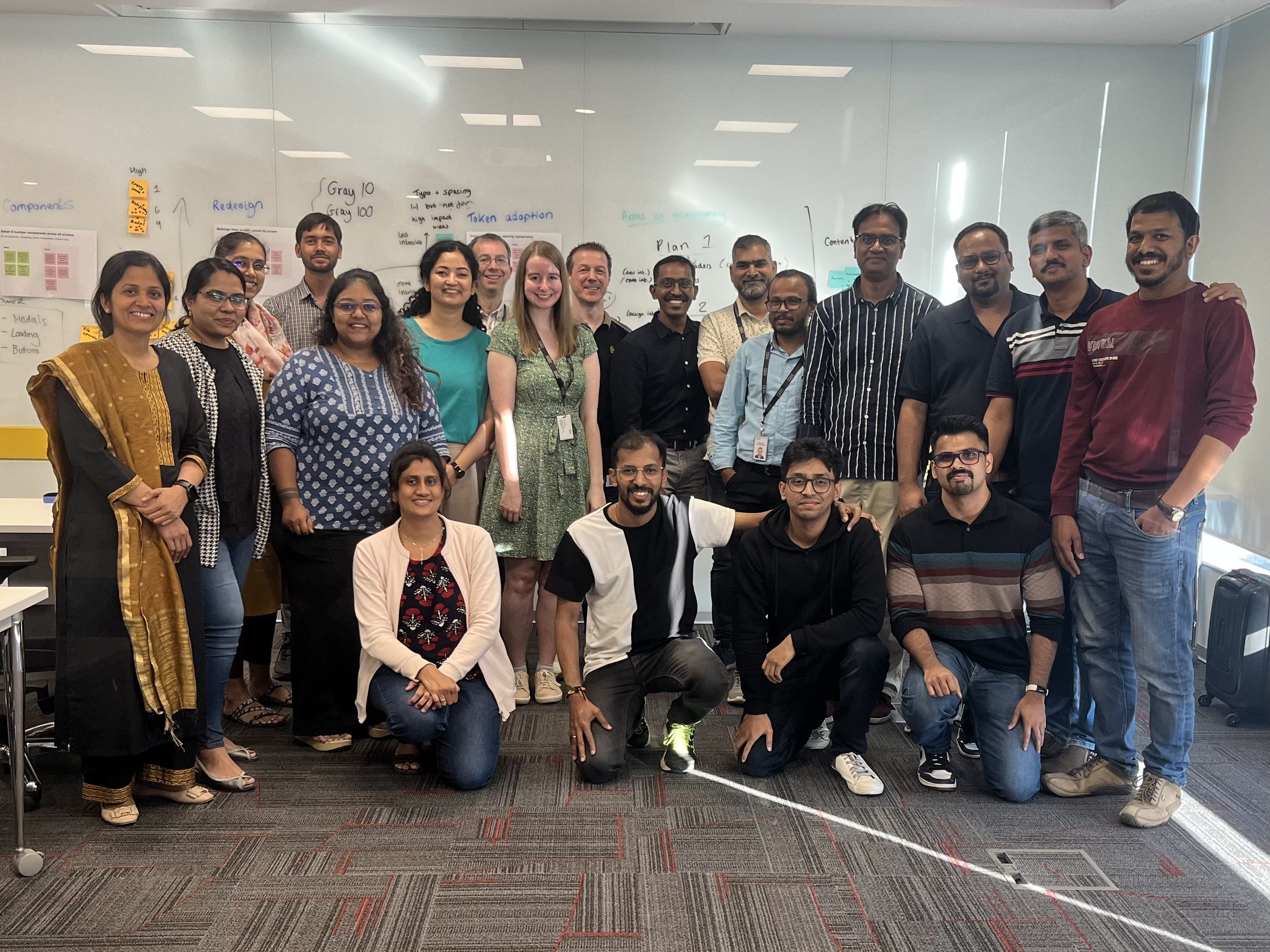
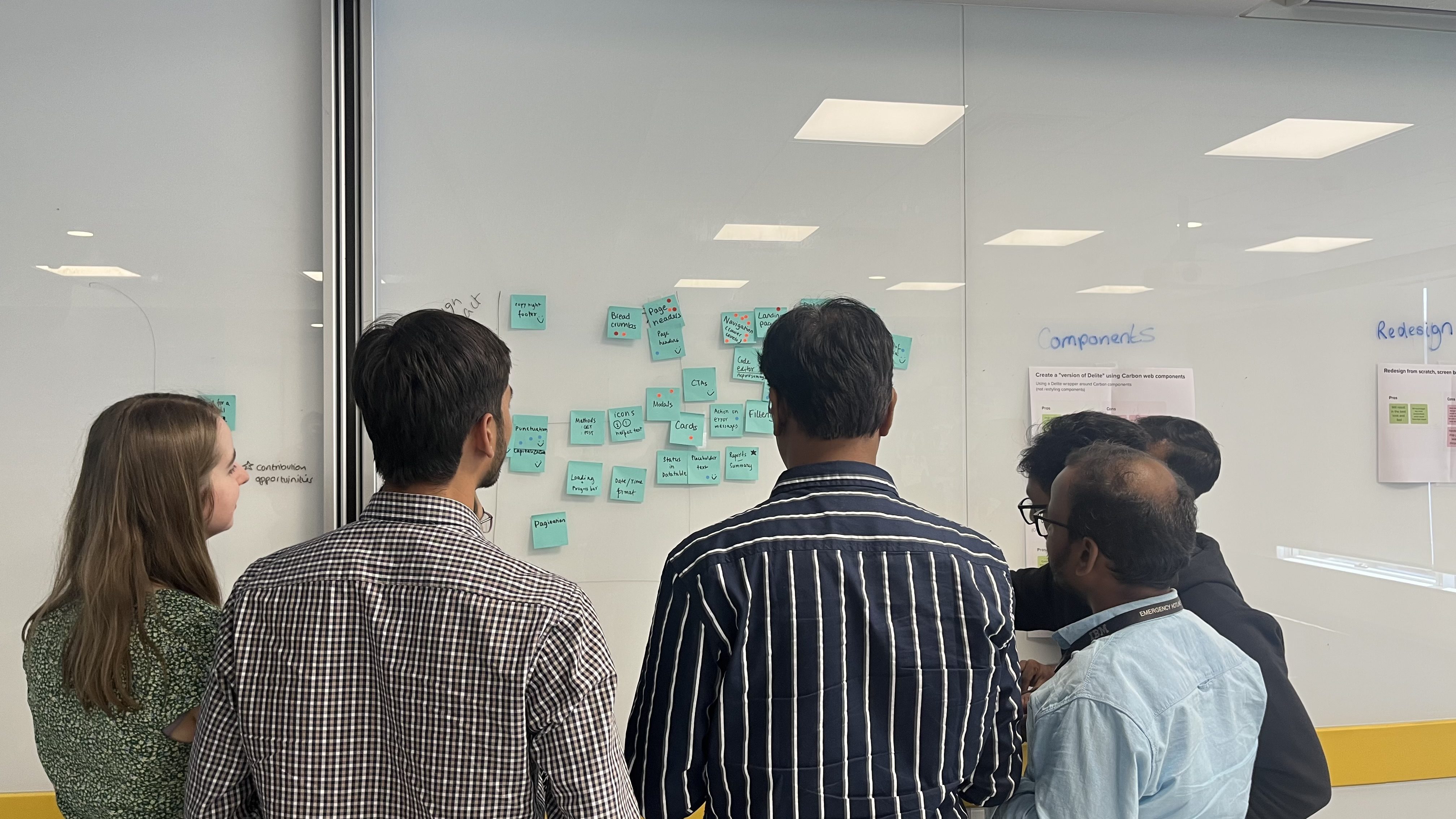
Before leaving the project, I co-led a three-day Phase 2 planning workshop with 30+ participants across the eight acquired products — aligning on a single strategy for design tokens, component migration, and deeper navigational patterns. 21 out of 21 survey respondents agreed it had fully met its objectives.
Phase 2 didn't proceed after priorities changed. But teams had been upskilled in Carbon and had a clear path to continue. The most important outcome wasn't the migration itself — it was turning Carbon from something teams were asked to adopt into something they wanted to build with.